Digital Transformation Roadmap for Manufacturing Companies: De-risking the Path to Modern Commerce
Navigate the complexities of B2B infrastructure by creating a consumer-grade frontend experience without disrupting your critical backend financial ledger.

The Executive Dilemma: Innovate or Stagnate
In the executive offices of mid-market manufacturers and large-scale distributors, a palpable tension exists. The buying behavior of consumers has forced b2b buyers to expect consumer quality e-commerce experiences from their suppliers. While some of these competitors have made the transition by investing in automation, others fear the significant operational risks associated with doing so.
To a CEO or COO who oversees a company valued at $50 million to $500 million, the idea of replacing legacy systems will feel as though it is akin to performing open heart surgery on the business while the patient is running.
It is likely that if a CEO or COO approves a large budget for a 'digital transformation' without a systematic, phase-based plan, there will be many issues including scope creep, excessive costs, and employee burnout. CEOs/COOs are not looking for another sales pitch; they want a road map.
This guide outlines a detailed roadmap for the digital transformation of manufacturing companies. This roadmap allows executives to break down a single, monolithic IT project into smaller, value based projects. Therefore, executives can modernize their commerce platform in a methodical, cost effective manner and without negatively impacting their current source of revenue.
The Cost of Technological Debt in Manufacturing
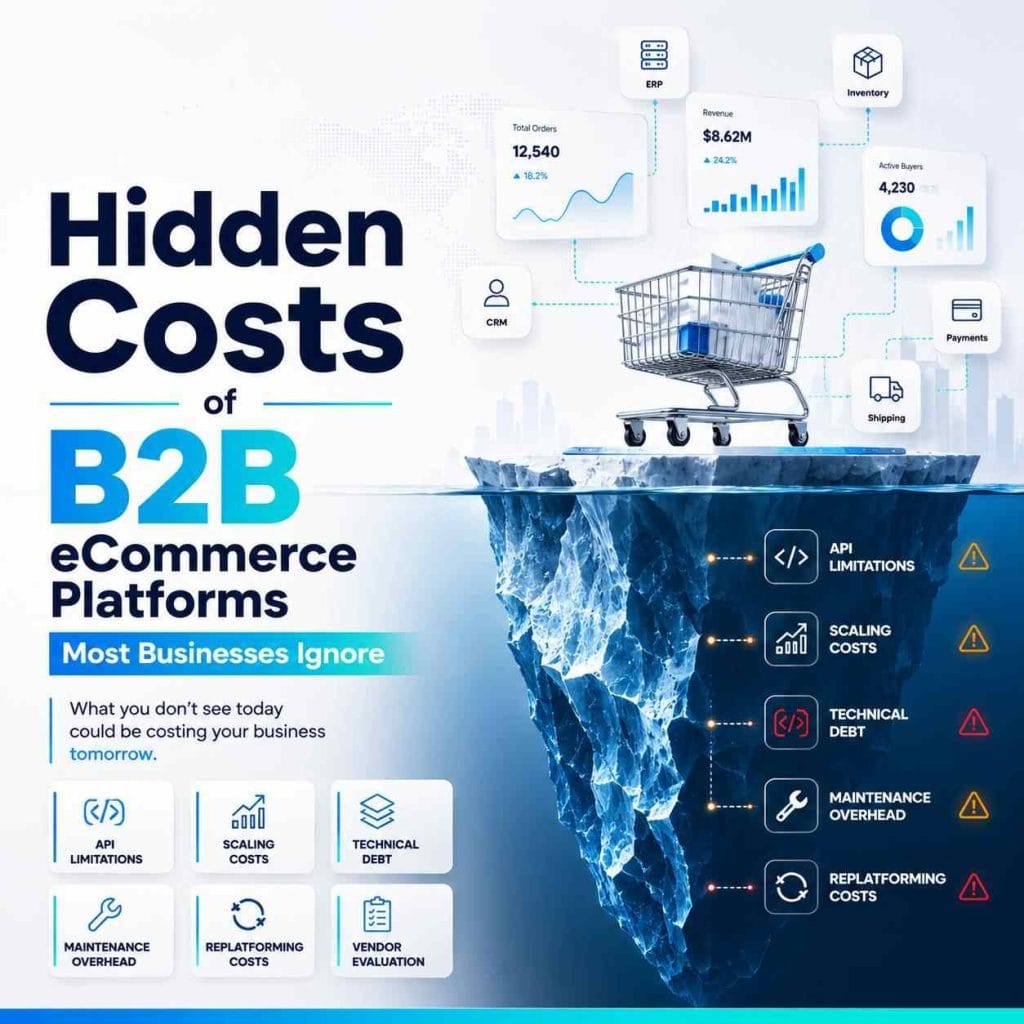
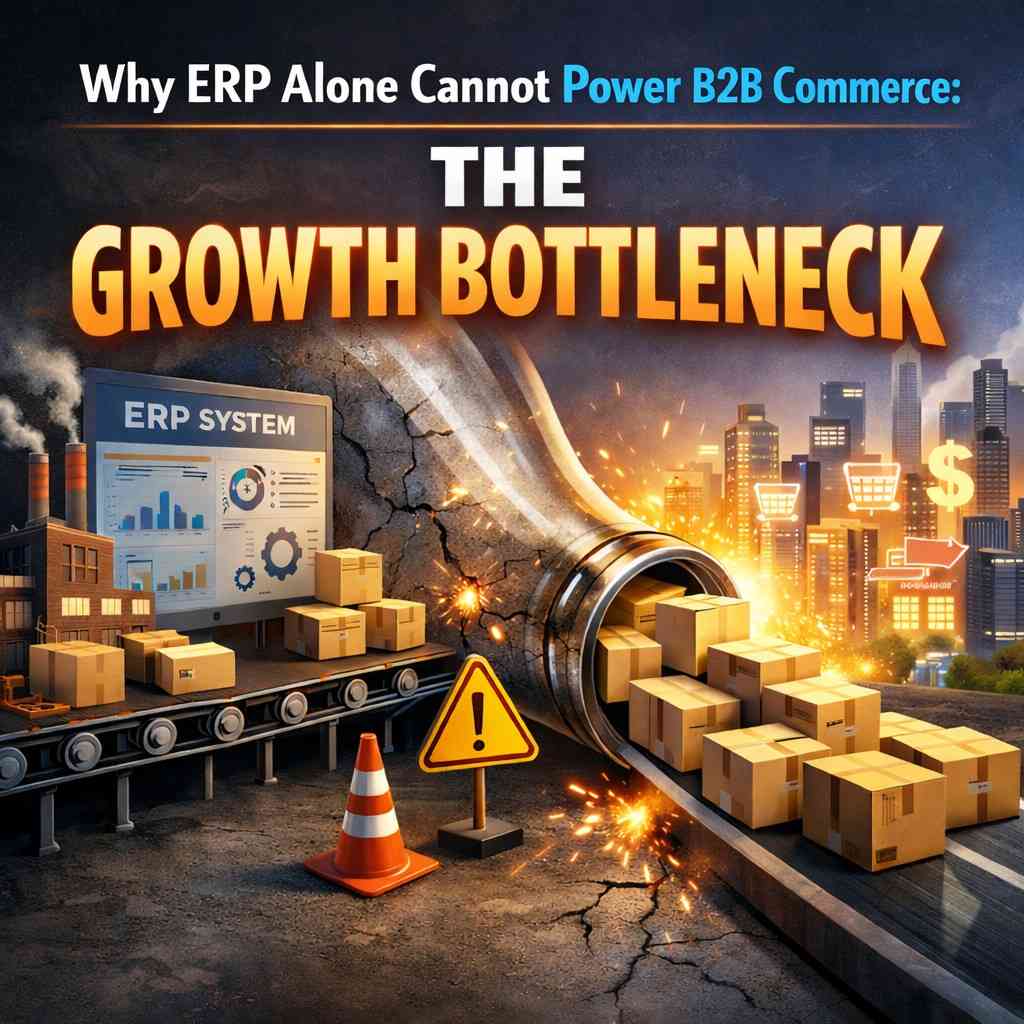
Historically, every aspect of manufacturing revolved around ERP systems. Whether using customized AS400s, early SAP versions, or local Microsoft Dynamics, the ERP served as the solitary database for inventory, pricing, and fulfillment. However, because traditional ERPs were designed strictly for back-office data integrity, organizations are now stuck in a mire of manual processes.
Sales Inefficiency
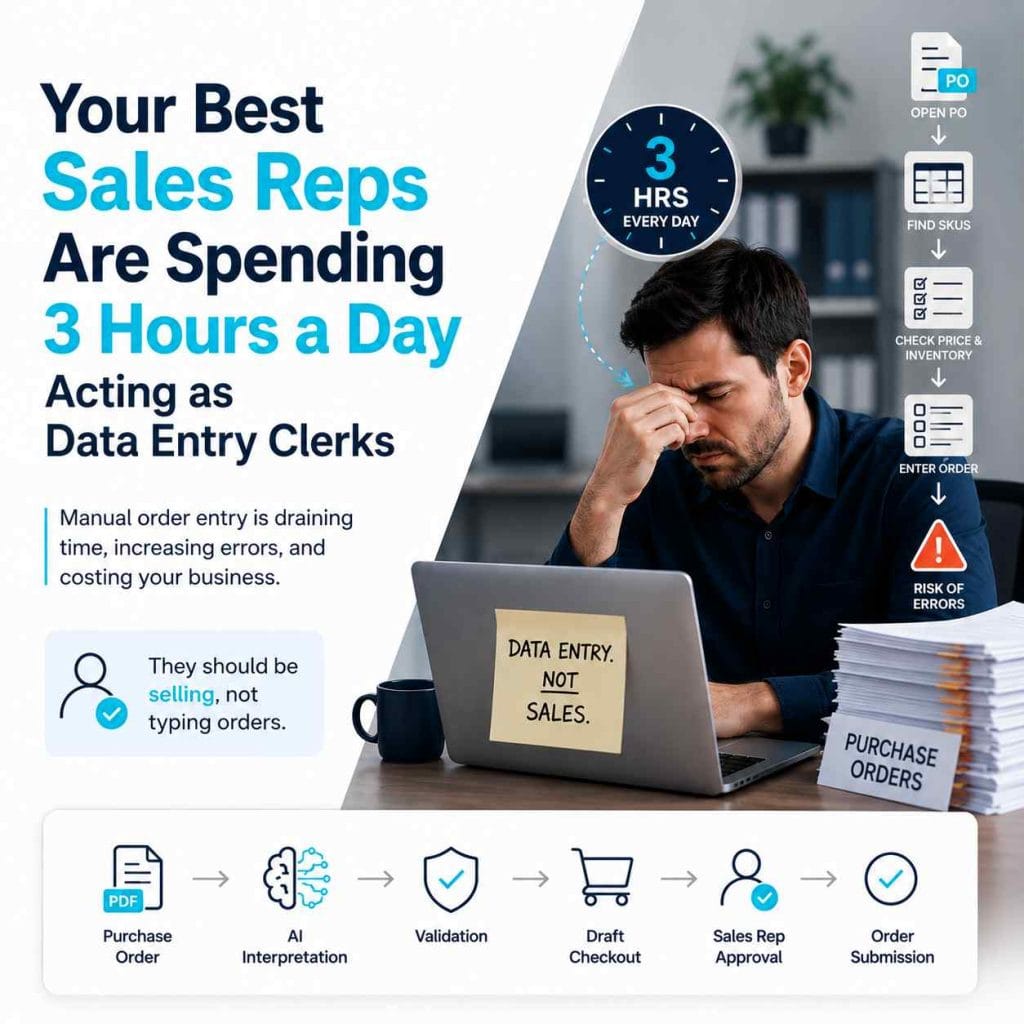
The sales organization is largely reduced to serving as an expensive group of manual order takers instead of strategic growth drivers.
Customer Service Drain
The customer service department is forced to spend the majority of its time manually answering the mundane question: "Where is my order?"
Decentralized Pricing
A manufacturer's complex, multi-tiered B2B pricing matrix is often created and managed in separate, highly fragile, decentralized spreadsheets.
Channel Blindness
Wholesale distributors lack digital visibility into accurate product offerings and inventory, making it difficult to effectively sell those products.
Therefore, the issue is no longer why you want to evolve, but rather how you can create a frontend consumer experience separated from the backend financial ledger—without disrupting the complex business rules that currently support your company.
The Solution Landscape: Navigating the Architectural Approaches
When making a decision on how to modernize a B2B commerce platform, there are generally four ways that companies can go about doing so. Choosing the right foundational technology is the first critical fork in the roadmap.
Legacy ERP Add-Ons (The Monolith)
Many legacy ERP vendors provide a proprietary "bolt-on" eCommerce portal built directly into their systems. The biggest problem with using a bolt-on eCommerce portal is its inflexibility. Its user experience is usually very poor compared to other eCommerce solutions. They also do not have good APIs for use by third party marketing solutions. In addition, bolt-on solutions are very hard to modify to meet the changing requirements of the ever-evolving B2B buyer journey. As such, they tend to view eCommerce as simply another accounting function, rather than a customer interaction channel.
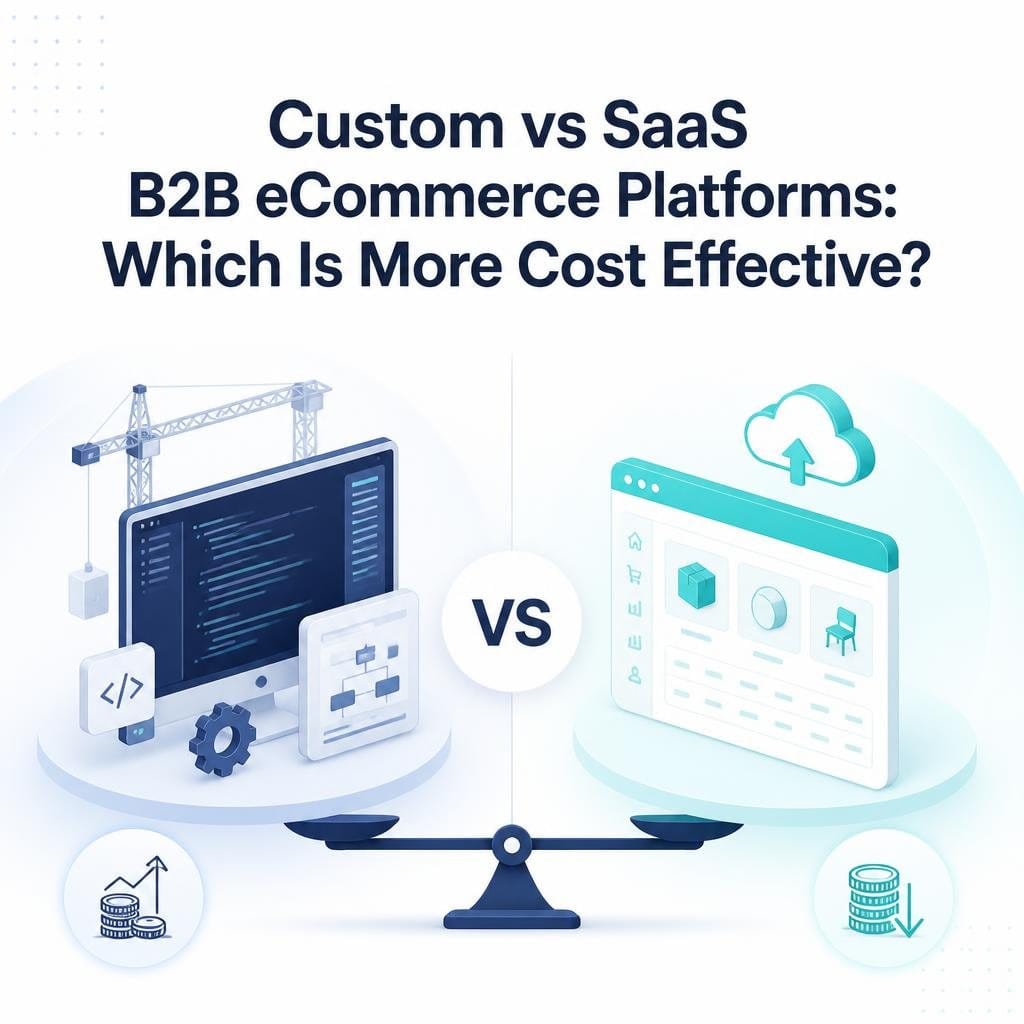
The Custom Proprietary Build
Hiring an internal engineering team or an agency to build a commerce platform entirely from scratch. Through this approach, you gain complete control over every single line of code. However, the Total Cost of Ownership (TCO) is extremely high. In addition, it takes a long time to get to market, and there is a significant chance that even if you are able to build the platform, you would ultimately find it nearly impossible to maintain or grow if one or both of the original lead engineers left your company.
Standard SaaS Platforms (The Rigid Box)
Using out-of-the-box software-as-a-solution platforms hosted entirely in the cloud (i.e. Typical retail focused SaaS carts). These types of solutions are ideal for quick deployment in B2C or very simple B2B environments. However, each of the standard SaaS carts consistently hits a wall when trying to accommodate mid-range complexity levels associated with B2B manufacturers. Workarounds are needed for multi-warehouse routing, complex corporate account structures, or highly customized configure-price-quote (CPQ) workflows, eventually leading to a bloated, unstable app ecosystem.
Composable Commerce Platforms (Magento / Adobe Commerce)
An enterprise-level, API-based architecture designed to support complex B2B logic while allowing seamless integration with your back-office systems. This is the enterprise standard. It provides maximum scalability for growth, the ability to deeply customize complex catalogs, and robust integration capabilities through middleware. It also enables manufacturers to develop consumer-grade front-end experiences while keeping your ERP as the true system of record.
The C-Suite Decision Framework: Evaluating B2B Commerce Platforms
To prevent the enormous expense of replatforming in three years, the C-suite should consider all possible solutions against a rigid, B2B-specific framework. If a solution does not allow for the native integration of the five areas below, then it will be considered non-enterprise-ready:
ERP Compatibility & Middleware Readiness
Is there a way that the solution can process bidirectional, real-time, and asynchronous data syncs? It must be able to accept, process, and deliver large amounts of customer-specific pricing and inventory levels from multiple warehouse locations at the same time, without being affected by high levels of API calls during peak usage times.
Catalog Complexity & PIM Integration
Manufacturers have massive amounts of unstructured data. Will the platform be able to store hundreds of thousands of SKUs, dimensioned variants, substitute parts, and other forms of rich technical product specifications? It must integrate cleanly with a Product Information Management (PIM) system.
Distributor & Corporate Workflows
Does it support the unique organizational charts of your channel partners? You want the ability to build a 'parent/child' type corporate structure, assign customized buying roles for your distributors, establish spending limits, and route orders through management for approval.
Frictionless Reordering
B2B buyers do not browse; they replenish. Your platform must support the uploading of bulk CSV order uploads, quick-order pads per SKU, and saved requisition lists so that repeat purchases are instant.
Global Operations & Multi-Tenancy
Will a single backend instance manage multiple brands, localized currencies, compliance with various regional tax requirements, and different languages when expanding internationally?
The 4-Phase Digital Transformation Roadmap for Manufacturers
A successful digital transformation will never occur as one “big bang”. Trying to do an ERP system replacement, deploy a Product Information Management System (PIM), and launch a digital portal at the same time creates a tremendous amount of operational risk.
Foundation and Data Harmonization
Prior to developing a digital storefront, the backend house needs to be in order. The focus of this phase will be completely on data hygiene. All product data is cleaned, standardized, and will be migrated into a centralized Product Information Management (PIM) system. All pricing logic and customer tiers will need to have been reviewed, audited, and structured properly within the ERP so that they may be made available via an API without error.
Core Commerce & ERP Integration
This is the heavy-lifting part that has all the tech behind it. The Commerce Platform (for example, Magento) has been deployed and connected to the ERP using a robust middleware layer. The primary focus of this phase is strictly to test the data flow—in particular, to verify real-time inventory sync, customer-specific pricing, and flawless bidirectional order routing. During this phase, the platform is often launched quietly to a small, friendly group of 'beta' distributors to stress-test the plumbing.
Distributor Portals and Channel Automation
With the platform now having a solid, secure foundation in place, it's rolled out to the entire B2B customer base. Self-service portals are introduced, allowing buyers to view order history, track shipments, pay invoices, and process returns without human intervention. The most important thing about this phase is that there will be significant changes in how employees do their jobs. They transition from being order takers as part of an internal sales team to becoming strategic account managers who use data to make decisions.
Optimization, Headless Architecture & Global Scale
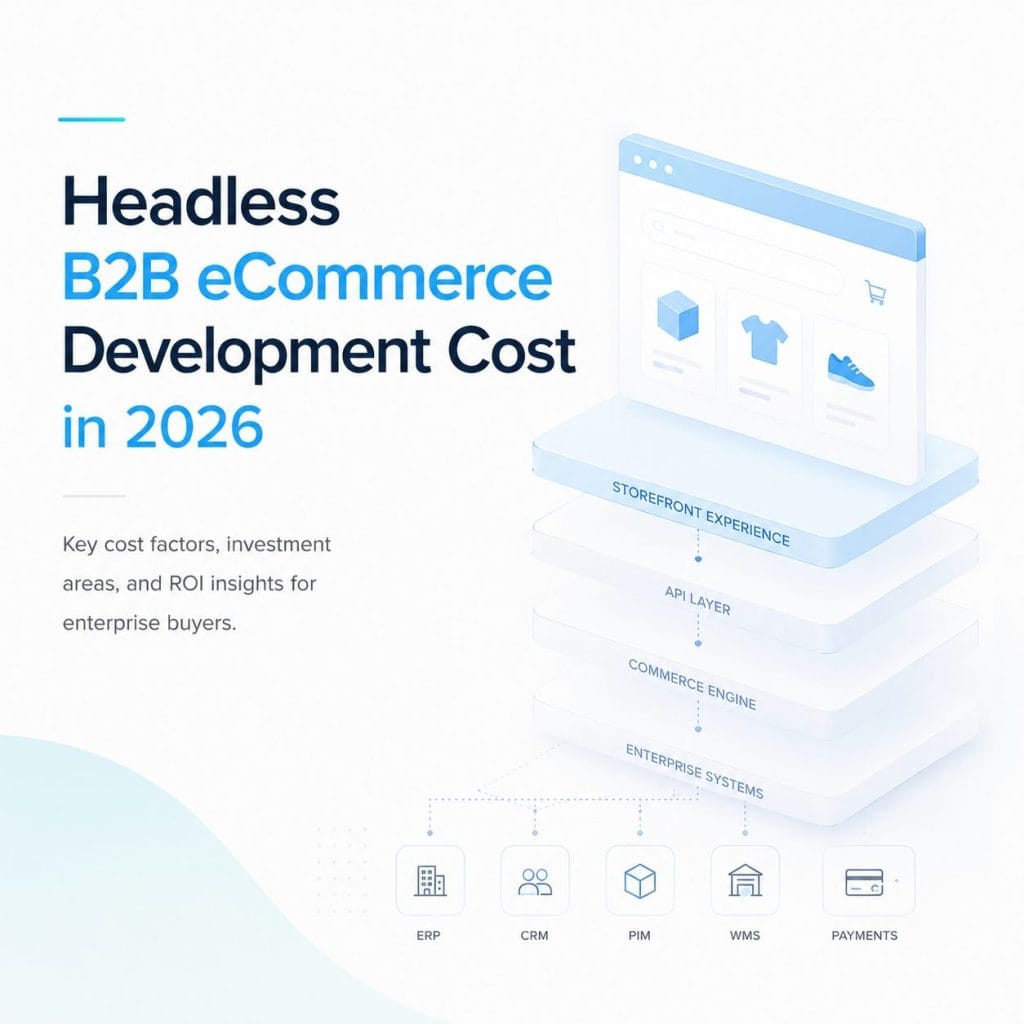
Once we have a successful, high-value, ROI-generating core system that is low-cost to serve, we can then move on to more advanced capabilities. Examples of this would be the development of a 'headless' (server-side rendered) architecture for our e-commerce platform to enable seamless, ultra-fast mobile checkout, utilizing AI to recommend products based on predictive recommendations and purchase history, or developing locally based B2B storefronts in new international territories using the established core architecture.
The 4-Phase Digital Transformation Roadmap for Manufacturers
A successful digital transformation will never occur as one “big bang”. Trying to do an ERP system replacement, deploy a Product Information Management System (PIM), and launch a digital portal at the same time creates a tremendous amount of operational risk.
Foundation and Data Harmonization
Prior to developing a digital storefront, the backend house needs to be in order. The focus of this phase will be completely on data hygiene. All product data is cleaned, standardized, and will be migrated into a centralized Product Information Management (PIM) system. All pricing logic and customer tiers will need to have been reviewed, audited, and structured properly within the ERP so that they may be made available via an API without error.
Core Commerce & ERP Integration
This is the heavy-lifting part that has all the tech behind it. The Commerce Platform (for example, Magento) has been deployed and connected to the ERP using a robust middleware layer. The primary focus of this phase is strictly to test the data flow—in particular, to verify real-time inventory sync, customer-specific pricing, and flawless bidirectional order routing. During this phase, the platform is often launched quietly to a small, friendly group of 'beta' distributors to stress-test the plumbing.
Distributor Portals and Channel Automation
With the platform now having a solid, secure foundation in place, it's rolled out to the entire B2B customer base. Self-service portals are introduced, allowing buyers to view order history, track shipments, pay invoices, and process returns without human intervention. The most important thing about this phase is that there will be significant changes in how employees do their jobs. They transition from being order takers as part of an internal sales team to becoming strategic account managers who use data to make decisions.
Optimization, Headless Architecture & Global Scale
Once we have a successful, high-value, ROI-generating core system that is low-cost to serve, we can then move on to more advanced capabilities. Examples of this would be the development of a 'headless' (server-side rendered) architecture for our e-commerce platform to enable seamless, ultra-fast mobile checkout, utilizing AI to recommend products based on predictive recommendations and purchase history, or developing locally based B2B storefronts in new international territories using the established core architecture.
Case Example: Moving from Legacy AS400 to Modern Commerce
An incremental transformation strategy for industrial manufacturing.
Strategic "Decoupled" Approach
28%
Reduction in the cost of manually completing orders.
15%
Revenue increase supported without adding staff.
6mo
Time to deploy initial self-serve reorder portal.
45%
Orders completed digitally within same timeframe.
The hypothetical $180 million industrial equipment manufacturing company, 'Apex Industrial Supply,' had used a custom-built (15-year-old) AS400 ERP system. Apex was using email and phone to process 85% of all customer orders; they were also utilizing a large data entry staff that spent most of its time manually entering data into the AS400. With help from an Enterprise Commerce Transformation consulting firm, Apex chose not to 'rip and replace' their AS400. In place of this approach, they implemented an incremental strategy. Apex utilized Magento as their digital presentation layer. Magento was connected directly to the AS400 through middleware. In place of a complete and immediate transition to a fully digital ordering channel, Apex first deployed a self-serve reorder portal for their top 50 regional distributors. This deployment occurred within six months. During this same time frame, 45% of the company's standard replenishment orders were completed digitally. The results were significant—a 28% reduction in the cost of manually completing orders, no additional administrative positions were added to support a 15% increase in revenue over the next year, and significantly fewer errors associated with fulfilling orders, which protected profit margins.
Infographic Concepts to Visualize the Journey
The Phased Transformation Timeline
A visual Gantt chart depicting the 4 phases outlined above, illustrating the gradual decrease in operational risk and the corresponding exponential increase in business value over a 12-month period.
The Modern B2B Architecture Diagram
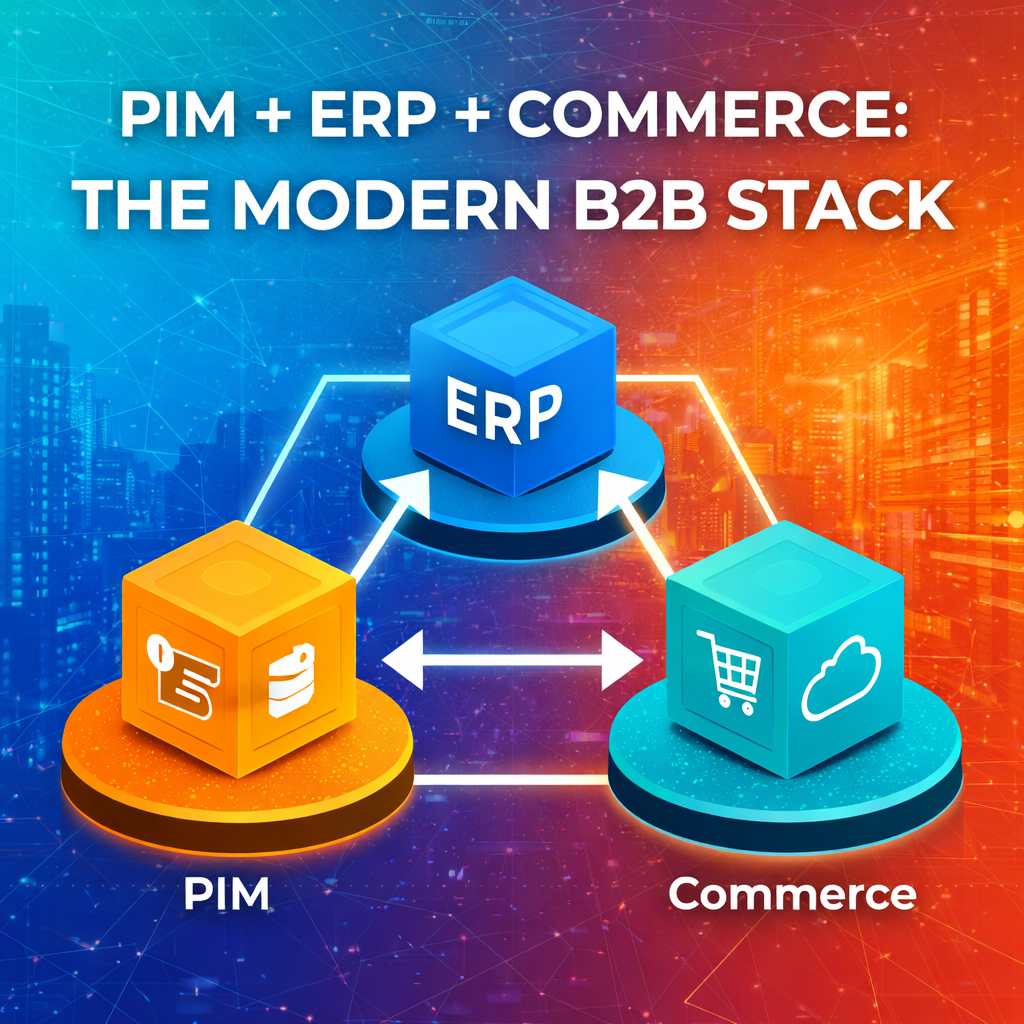
A high-level technical schematic showing how data flows seamlessly between the Buyer Portal (Magento), the Middleware layer, the PIM, and the ERP, clearly defining the "System of Record" for each data type.
Deep Dive: ERP Integration Strategy
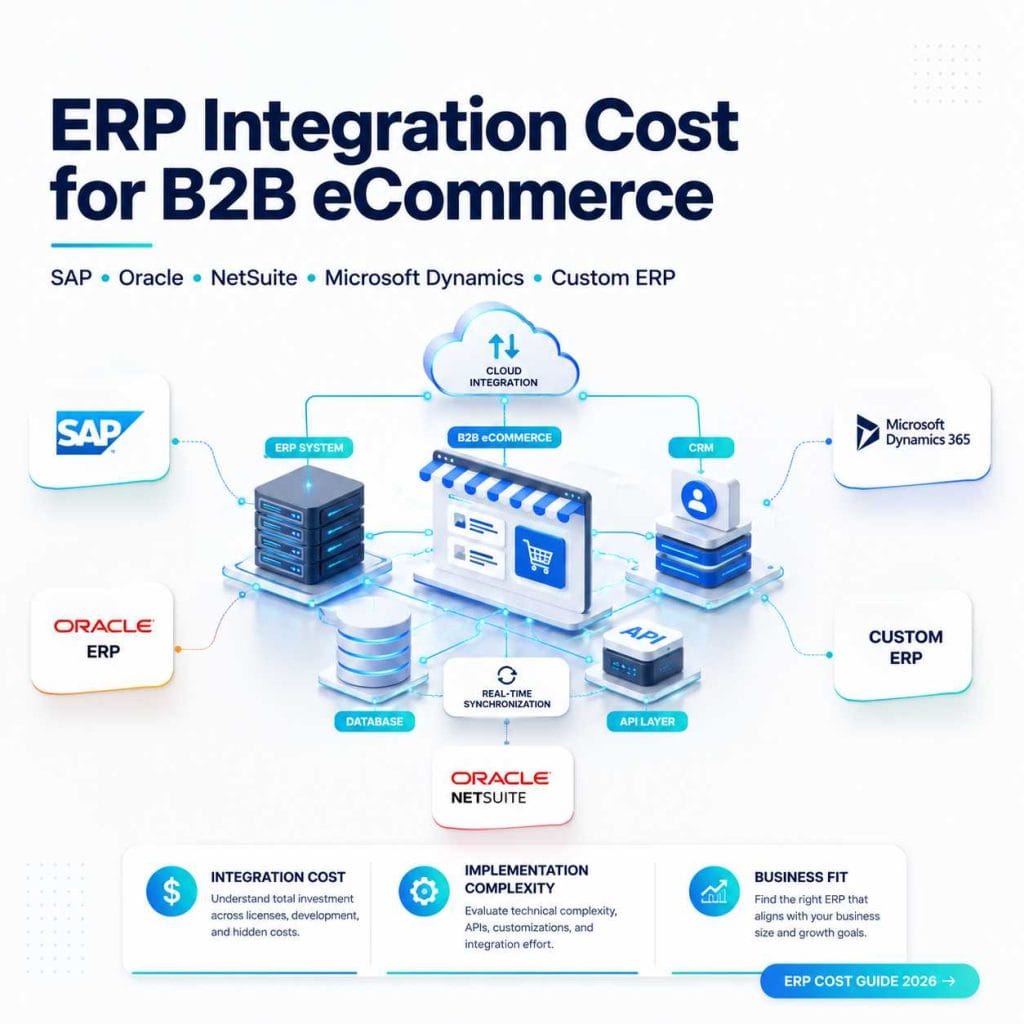
To understand the precise technical requirements of the most critical juncture of your roadmap, read our comprehensive guide: B2B eCommerce ERP Integration: The Complete Guide for Manufacturers & Distributors.
Download the B2B Platform Evaluation Guide & Transformation Blueprint
It moves the conversation from abstract strategy to a tangible, objective scoring model. It empowers CEOs, COOs, and IT Directors to make defensible, data-backed technology investments and align the board around a clear, risk-mitigated plan.

 Google Analytics Certified |
|
|
KC Jagadeep, CEO of Ceymox, a leading Magento Development Agency based in India. KC is a passionate entrepreneur, Magento enthusiast, and advocate for open-source solutions, dedicated to enhancing the landscape of online commerce, particularly within the realm of Magento.Driven by the pursuit of creating and executing successful strategies and platforms for digital commerce, KC brings over 12 years of industry experience to the table. His mission is simple: to empower corporate eCommerce clients with effective digital commerce solutions and modern marketing practices, ultimately boosting profitability.As an entrepreneur with a proven track record in information technology and eCommerce services (including Magento and WooCommerce), KC possesses expertise in operations management, startups, various eCommerce platforms, and business process outsourcing.
View All Articles