Enterprise Buyer's Guide • 2026

Headless B2B eCommerce Development Cost in 2026: What Enterprise Buyers Need to Know

Headless commerce enables enterprises to build faster storefronts, integrate seamlessly with ERP, CRM, and PIM systems, and deliver highly customized buying experiences. Understanding the factors that influence development cost helps organizations choose an architecture that balances flexibility, scalability, and long-term business value.

Headless
Commerce
Frontend Next.js • React
ERP SAP • Oracle
CMS Content APIs
PIM Product Data
CRM Customer Data
Introduction

The Shift to Modern B2B Commerce

Traditional Commerce Single storefront with tightly coupled frontend and backend.
Headless Commerce API-first architecture separating customer experience from commerce logic.
Enterprise Ecosystem Connected ERP, CRM, PIM, procurement, mobile, and self-service platforms.

Enterprise B2B commerce is no longer defined by a single online storefront. It has evolved into a connected digital ecosystem where customers expect seamless experiences across every touchpoint.

Today's enterprise B2B eCommerce extends well beyond simply opening a traditional online storefront to sell products. Modern manufacturers, distributors, wholesalers, and suppliers now engage customers through dealer portals, procurement platforms, customer self-service portals, mobile applications, and sales representative tools. Supporting these experiences requires far more than a conventional commerce platform.

This shift is accelerating the adoption of headless B2B commerce—an architecture that separates the frontend customer experience from the backend commerce engine. Rather than relying on tightly coupled systems, organizations gain the flexibility to build highly customized digital experiences while allowing the commerce platform to independently manage products, pricing, inventory, orders, and business rules.

The result is greater agility across the organization. Teams can launch new digital experiences more quickly, integrate with existing enterprise systems, and respond to changing customer expectations without rebuilding the entire commerce platform.

However, headless commerce introduces a different investment model. Instead of concentrating spending on configuring an all-in-one platform, organizations invest across frontend engineering, API integrations, cloud infrastructure, security, DevOps, and ongoing platform maintenance. Understanding these investment areas is essential for planning a scalable digital commerce strategy.

What This Guide Covers

The following sections explore the primary factors that influence headless B2B eCommerce development costs in 2026, helping technology leaders evaluate architectural decisions, estimate implementation budgets, and plan for long-term business growth.

Architecture Evolution

Why Are More B2B Businesses Choosing Headless Commerce?

Modern B2B organizations require digital experiences that extend beyond a traditional online storefront. Headless commerce enables greater flexibility, faster innovation, and deeper enterprise integrations than conventional monolithic platforms.

Traditional Commerce

A tightly coupled platform where the frontend experience and backend business logic operate as a single application.

Limited Flexibility Adding new channels or experiences often requires significant platform changes.
Slower Innovation Frontend updates frequently impact backend systems and deployment cycles.
Integration Challenges Connecting enterprise applications becomes increasingly complex as the business grows.
Digital
Transformation

Headless Commerce

Frontend experiences evolve independently while the commerce engine manages products, pricing, inventory, and business operations through APIs.

Consumer-Grade Experiences Support personalized catalogs, account-specific pricing, self-service portals, and fast ordering.
Enterprise Integrations Connect seamlessly with ERP, CRM, PIM, WMS, procurement platforms, and third-party services.
Future-Ready Architecture Enable multi-brand operations, global expansion, AI-powered experiences, and conversational commerce.

Why Implementation Costs Are Higher

The flexibility of headless commerce comes from investing in API-first architecture, frontend engineering, enterprise integrations, cloud infrastructure, and long-term scalability. Although implementation costs are generally higher than traditional commerce platforms, organizations gain a digital foundation that can evolve rapidly without disrupting core business operations.

Investment Framework

What Factors Influence Headless B2B eCommerce Development Costs?

No two headless commerce projects are the same. Total investment varies based on business requirements, integration complexity, scalability goals, compliance obligations, and the maturity of your technology ecosystem. Most enterprise implementations allocate their budgets across six core architectural investment areas.

Headless
Commerce
Investment
Custom Storefront Development
API-First Integrations
Cloud Infrastructure & DevOps
Security & Compliance
Composable Commerce Architecture
Long-Term Platform Maintenance
01
Headless Cost Driver

Custom Storefront Development

A key feature of headless commerce is its ability to create fully customizable digital commerce experiences. Instead of relying on predefined platform templates, businesses can build storefronts that reflect their brand, support unique buying journeys, and deliver personalized customer experiences.

For many B2B organizations, this extends beyond a public website. Customer portals, dealer dashboards, distributor interfaces, procurement workflows, sales representative tools, and mobile applications are often developed to support different users and business scenarios.

Building these experiences requires expertise in frontend engineering, UX design, accessibility, responsive development, performance optimization, quality assurance, testing, and continuous enhancement throughout the platform lifecycle.

While this flexibility is one of headless commerce's greatest strengths, it also represents a significant investment. For many enterprise implementations, custom storefront development accounts for one of the largest portions of the overall project budget.

02
Headless Cost Driver

API-First Integrations

Headless architecture relies on APIs to connect customer-facing experiences with the systems that drive business operations.

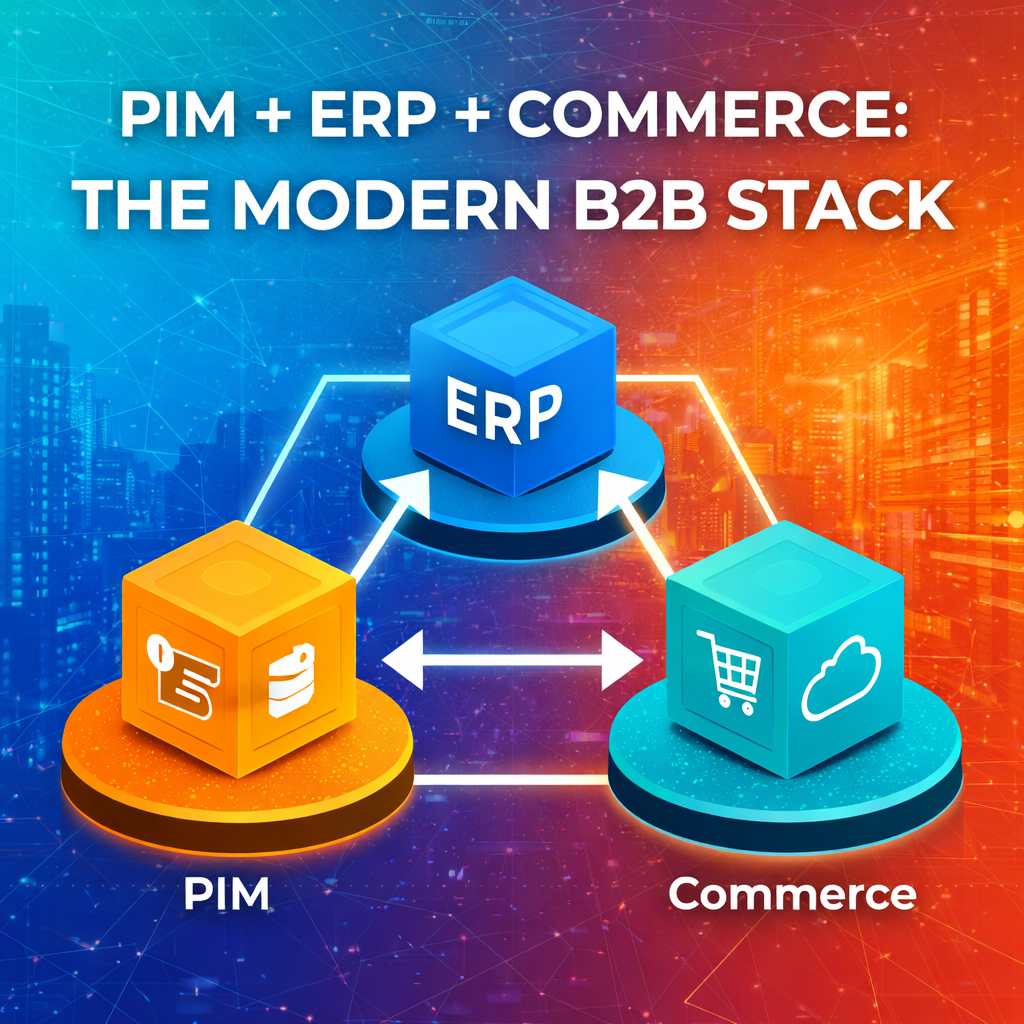
In an enterprise environment, the commerce platform typically integrates with ERP systems, CRM platforms, inventory management software, Product Information Management (PIM) systems, payment gateways, shipping providers, tax engines, authentication services, and analytics platforms.

Each integration requires careful planning to ensure reliable data exchange, secure communication, and consistent performance under high transaction volumes. Complexity increases further when organizations operate across multiple regions, business units, or brands with different technology ecosystems.

API development, integration testing, monitoring, and long-term maintenance often represent a significant portion of the overall investment required for a successful headless commerce implementation.

API Gateway
ERP
CRM
PIM
Payments
Analytics
Shipping
03
Headless Cost Driver

Cloud Infrastructure and DevOps

Unlike traditional eCommerce platforms that rely on hosted solutions, headless implementations require organizations to build a modern cloud infrastructure capable of supporting multiple services and applications.

This includes web hosting, CDNs, application hosting, database management, API gateways, caching layers, monitoring tools, backup strategies, disaster recovery planning, and automated deployment pipelines.

Beyond infrastructure, organizations also require mature DevOps practices that enable continuous integration, automated testing, reliable software deployments, and proactive system monitoring. These capabilities provide a scalable and resilient foundation capable of supporting peak traffic while maintaining business continuity.

Although much of this investment remains invisible to end users, it plays a critical role in long-term platform sustainability, operational efficiency, and overall business performance.


Cloud Platform
CDN
Hosting
Database
DevOps
Monitoring
Backup
04
Headless Cost Driver

Security and Compliance

Security is becoming increasingly important as eCommerce platforms integrate more deeply with core enterprise applications while managing sensitive customer and business data.

Headless commerce environments typically require advanced capabilities such as user authentication, role-based access control (RBAC), single sign-on (SSO), multi-factor authentication (MFA), encryption, and comprehensive audit logging. Organizations in regulated industries must also comply with standards including GDPR, PCI DSS, SOC 2, and regional data protection requirements.

Meeting these requirements involves secure architecture, regular vulnerability assessments, penetration testing, software updates, and continuous security governance to reduce operational and compliance risks.

While security investments may not directly generate revenue, they protect business continuity, strengthen customer trust, and minimize the financial impact of security incidents.

🛡Security Layer
RBAC
SSO
MFA
Encryption
Audit Logs
Compliance
05
Headless Cost Driver

Composable Commerce Architecture

Many organizations implementing headless commerce also adopt a composable architecture, where multiple specialized platforms work together instead of relying on a single all-in-one solution.

Enterprise ecosystems commonly combine a commerce engine with dedicated solutions for content management, search, Product Information Management (PIM), personalization, analytics, and customer data management.

This modular approach enables businesses to select best-of-breed technologies and replace individual components as requirements evolve, creating a more flexible and future-ready digital commerce platform.

At the same time, coordinating multiple vendors, maintaining API compatibility, managing platform updates, and ensuring consistent performance across the ecosystem require experienced architects and developers, making composable commerce an important investment area.

CommerceCore Engine
CMS
Search
PIM
Analytics
Personalization
Customer Data
06
Headless Cost Driver

Long-Term Platform Maintenance

Launching a headless commerce platform is only the beginning of its lifecycle. As business requirements evolve, organizations must continuously invest in feature enhancements, performance optimization, security updates, API improvements, infrastructure upgrades, and integrations with new enterprise systems.

Unlike traditional websites that may remain largely unchanged for years, headless commerce platforms are continuously evolving digital products that require regular enhancements to support changing customer expectations and business priorities.

Successful organizations treat their commerce platform as a long-term strategic asset, budgeting for technical support, user experience improvements, platform governance, and ongoing operational excellence.

Accurately estimating the total cost of ownership requires accounting for these continuous maintenance and operational investments throughout the platform's lifecycle.

Platform Lifecycle
Features
Security
APIs
Performance
Infrastructure
Support
Budget Planning

Typical Headless B2B eCommerce Development Cost Ranges in 2026

Headless commerce investment depends on integration complexity, customization requirements, scalability objectives, and the number of enterprise systems involved. The following ranges provide a realistic starting point for budgeting enterprise implementations.

ENTRY LEVEL

Small Headless Implementation

$40,000 – $80,000

Designed for growing distributors and manufacturers with relatively straightforward commerce requirements and limited enterprise integrations.

MID MARKET

Mid-Market Enterprise

$80,000 – $180,000

Suitable for organizations requiring ERP integration, multiple customer roles, custom approval workflows, and advanced B2B functionality.

ENTERPRISE

Large Enterprise Platform

$180,000 – $500,000+

Built for global manufacturers, multi-brand organizations, and highly customized digital commerce ecosystems with extensive enterprise integrations.

What's Typically Included?

These estimates generally include solution architecture, frontend application development, API integrations, testing, deployment, and project management. Organizations should also budget for ongoing operational expenses such as cloud infrastructure, platform maintenance, security updates, monitoring, and continuous feature development throughout the platform lifecycle.

Strategic Investment

When Does Headless Commerce Deliver the Best ROI?

Headless commerce isn't the right choice for every business. Its greatest return on investment comes from organizations that require enterprise-scale flexibility, deep integrations, and the ability to support multiple digital experiences from a single commerce platform.

Best-Fit Business Scenarios

Organizations with complex operations typically realize the strongest long-term value from headless architecture.

Multi-Portal Commerce Dealer, distributor, procurement, and customer portals powered by a shared commerce engine.
Enterprise Integrations Deep connectivity with ERP, CRM, PIM, WMS, and other enterprise systems.
Multi-Brand Operations Support for multiple business units, brands, and regional storefronts.
ROI

Business Complexity
→ Long-Term Value

Long-Term Business Outcomes

The additional architectural investment creates measurable operational and strategic benefits.

Personalized Experiences Customer-specific pricing, catalogs, and buying journeys across channels.
Digital Expansion Support for mobile apps, procurement platforms, AI, and self-service experiences.
Lower Long-Term TCO Greater flexibility, faster innovation, reduced technical debt, and improved scalability.

Executive Perspective

Organizations with simple catalogs and limited integration requirements may find that traditional commerce platforms are sufficient. However, enterprises operating across multiple channels, business units, and complex technology ecosystems often achieve significantly higher long-term ROI through headless commerce by creating a scalable foundation for future growth and innovation.

EXECUTIVE GUIDE

7 Hidden Costs of Headless B2B Commerce

Executive Resource

7 Hidden Costs of Headless B2B Commerce

Estimating development costs is only one part of a successful headless commerce project. Many enterprise initiatives exceed their budgets because they underestimate architectural complexity, infrastructure planning, integration effort, and the long-term cost of owning and maintaining a modern composable commerce platform.

Custom Storefront Engineering
API Integration Complexity
Cloud Infrastructure Planning
Security & Compliance
Composable Architecture
Long-Term Maintenance
Total Cost of Ownership

Our executive visual guide presents these topics through clear diagrams, planning frameworks, and practical insights to help technology leaders evaluate enterprise headless commerce investments more effectively.

View the LinkedIn Visual Guide →
Continue Your Research

Looking Beyond Headless Commerce Costs

Headless architecture is only one component of a successful B2B commerce strategy. Organizations must also evaluate platform selection, implementation planning, ERP readiness, legacy data migration, customer onboarding, organizational change management, and long-term optimization to achieve sustainable business outcomes.

Understanding how these elements work together is essential when estimating the total investment required for enterprise digital commerce. Looking beyond development costs helps organizations build a strategy that delivers long-term scalability, operational efficiency, and measurable return on investment.

Read the Complete B2B eCommerce Cost Guide →
RELATED GUIDE

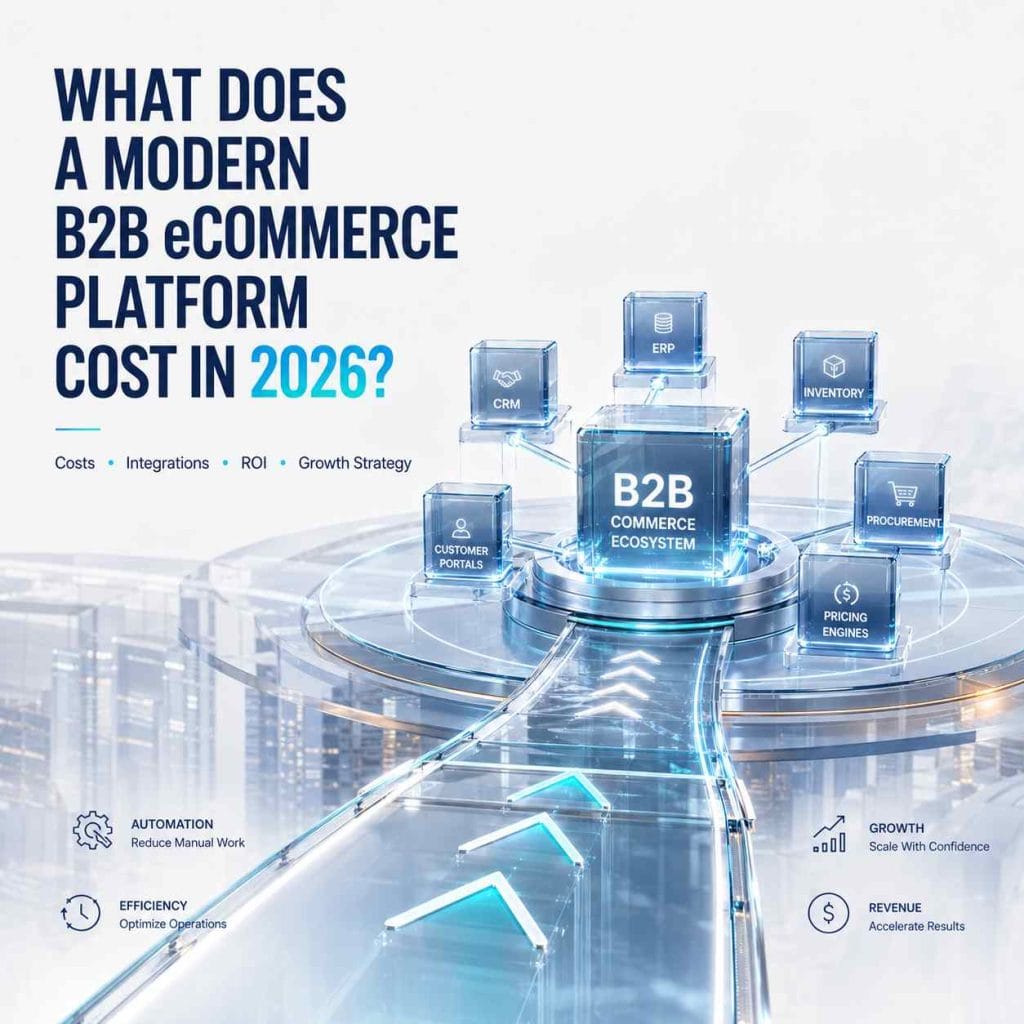
What Does a Modern B2B eCommerce Platform Cost in 2026?

Executive Perspective

Final Thoughts

Headless B2B commerce represents an organizational transformation in how businesses build and evolve their digital commerce capabilities—not simply a technology upgrade. By separating the customer experience from the underlying commerce engine, organizations gain the flexibility to innovate faster, integrate more effectively with enterprise systems, and respond to changing market demands without replacing their core commerce platform.

This flexibility also introduces a different investment model. Successful implementations require thoughtful planning around architecture, secure integrations, scalable infrastructure, governance, and continuous platform improvements. Organizations that understand these requirements before implementation are better positioned to build a digital commerce ecosystem that remains resilient and adaptable as business needs evolve.

The Strategic Question

“What level of investment is required to build a digital commerce platform that will support our business over the next five to ten years?”

Key Takeaway

The organizations that achieve the strongest long-term results are those that evaluate headless commerce as a strategic business investment rather than a website project. That perspective leads to better architectural decisions, more accurate budgeting, greater operational flexibility, and a digital commerce platform capable of supporting sustainable growth for years to come.

Frequently Asked Questions

Frequently Asked Questions

Answers to the most common questions enterprise buyers ask when evaluating headless B2B commerce platforms, implementation costs, and long-term investment.

Is headless B2B commerce more expensive than traditional commerce platforms?

In many cases, yes. Headless commerce typically requires additional investment in frontend development, API integrations, cloud infrastructure, and ongoing platform maintenance. However, it also offers greater flexibility, scalability, and long-term adaptability, which can deliver a stronger return on investment for enterprise organizations.

What factors have the biggest impact on headless commerce development costs?

The primary cost drivers include custom storefront development, enterprise system integrations, cloud infrastructure, security and compliance requirements, composable architecture complexity, and ongoing platform maintenance.

Can headless commerce integrate with ERP and CRM systems?

Yes. Modern headless commerce platforms are designed to integrate with enterprise applications through APIs. Common integrations include ERP systems, CRM platforms, Product Information Management (PIM) solutions, Warehouse Management Systems (WMS), payment gateways, tax engines, and logistics providers.

Is headless commerce suitable for every B2B business?

Not necessarily. Businesses with relatively simple digital commerce requirements may achieve their objectives using traditional commerce platforms. Headless architecture is generally better suited for organizations requiring complex integrations, multiple digital channels, custom user experiences, or long-term scalability.

What is the difference between headless commerce and composable commerce?

Headless commerce focuses on separating the frontend presentation layer from the backend commerce engine. Composable commerce extends this approach by combining specialized technologies such as CMS, search, PIM, personalization, and customer data platforms into a modular ecosystem connected through APIs.

How long does a typical headless B2B commerce implementation take?

Implementation timelines vary depending on project complexity, integrations, and customization requirements. Mid-sized enterprise projects often take several months, while large-scale global implementations with extensive integrations and multiple business units can extend well beyond a year.

How can businesses estimate the total cost of ownership?

The total cost of ownership should include more than initial development expenses. Organizations should also account for cloud infrastructure, licensing where applicable, ongoing maintenance, security updates, monitoring, performance optimization, feature enhancements, and internal operational resources throughout the platform's lifecycle.

Executive Consultation

Ready to Plan Your Headless Commerce Strategy?

Every business has unique operational requirements, technology ecosystems, and growth objectives. Making the right investment starts with understanding your existing infrastructure, enterprise integration requirements, and long-term digital commerce strategy.

Whether you're implementing a new headless commerce platform or modernizing an existing solution, thoughtful architecture planning and accurate cost evaluation can reduce implementation risks, improve scalability, and maximize long-term business value.

Contact the Ceymox Team →

What We Help You Evaluate

Enterprise Architecture
ERP & System Integrations
Implementation Roadmap
Scalability Planning
Cost & ROI Assessment
Jancy Abraham
Certified
Adobe Certified Professional Icon

Adobe Certified Professional

Jancy Abraham, an enthusiastic and passionate Senior Magento Developer at Ceymox, boasting over 9 years of expertise in website development, with a dedicated focus on Magento 2. In her illustrious career spanning 7+ years in Magento, encompassing both Open Source and Commerce editions, she has been instrumental in crafting innovative solutions since October 2013. Jancy has spearheaded the development of numerous Magento extensions tailored to diverse projects, showcasing her exceptional skills and commitment to excellence. Notably, she holds the prestigious Adobe Commerce Developer Professional Certification, underscoring her proficiency and dedication to mastering her craft.

View All Articles
Have a project to discuss?

Let’s make something
amazing together

DROP US A LINE