Headless B2B eCommerce Development Cost in 2026: What Enterprise Buyers Need to Know
Headless commerce enables enterprises to build faster storefronts, integrate seamlessly with ERP, CRM, and PIM systems, and deliver highly customized buying experiences. Understanding the factors that influence development cost helps organizations choose an architecture that balances flexibility, scalability, and long-term business value.
Commerce
The Shift to Modern B2B Commerce
Enterprise B2B commerce is no longer defined by a single online storefront. It has evolved into a connected digital ecosystem where customers expect seamless experiences across every touchpoint.
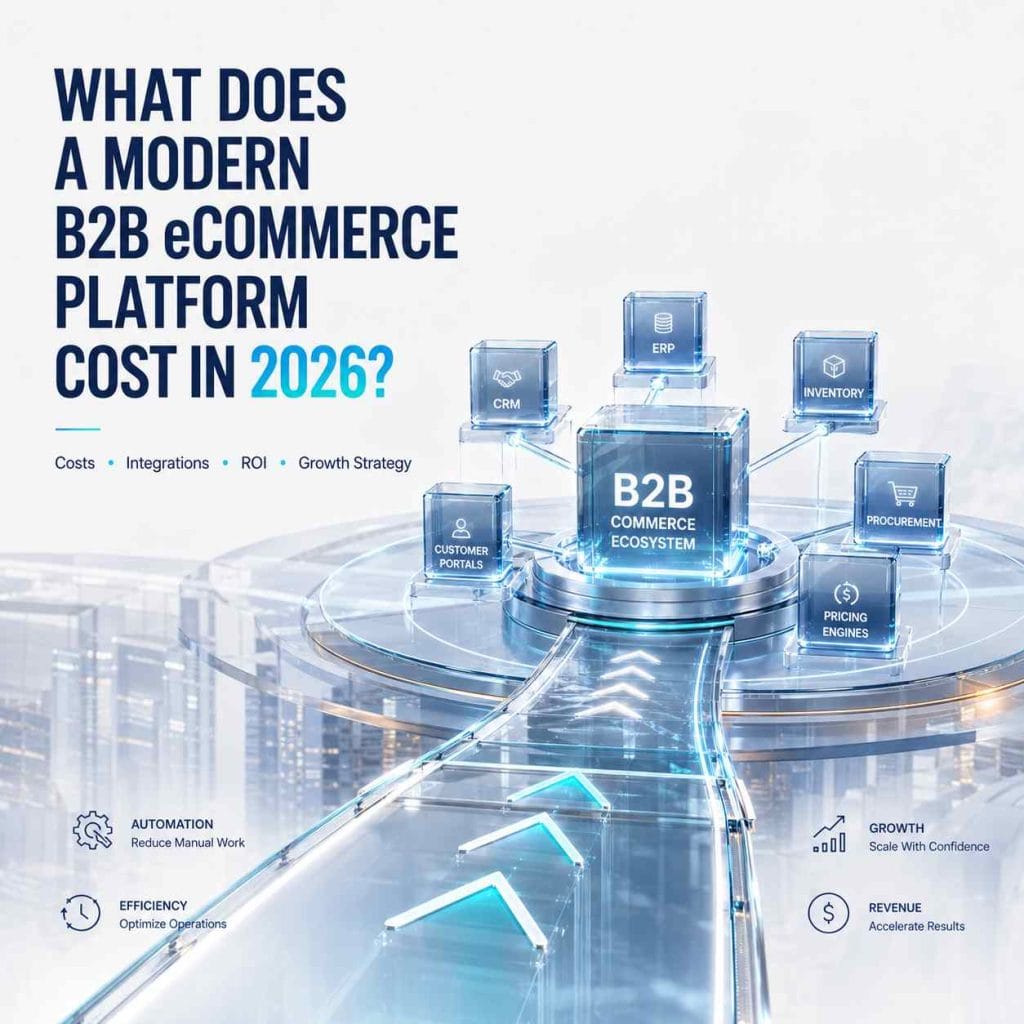
Today's enterprise B2B eCommerce extends well beyond simply opening a traditional online storefront to sell products. Modern manufacturers, distributors, wholesalers, and suppliers now engage customers through dealer portals, procurement platforms, customer self-service portals, mobile applications, and sales representative tools. Supporting these experiences requires far more than a conventional commerce platform.
This shift is accelerating the adoption of headless B2B commerce—an architecture that separates the frontend customer experience from the backend commerce engine. Rather than relying on tightly coupled systems, organizations gain the flexibility to build highly customized digital experiences while allowing the commerce platform to independently manage products, pricing, inventory, orders, and business rules.
The result is greater agility across the organization. Teams can launch new digital experiences more quickly, integrate with existing enterprise systems, and respond to changing customer expectations without rebuilding the entire commerce platform.
However, headless commerce introduces a different investment model. Instead of concentrating spending on configuring an all-in-one platform, organizations invest across frontend engineering, API integrations, cloud infrastructure, security, DevOps, and ongoing platform maintenance. Understanding these investment areas is essential for planning a scalable digital commerce strategy.
The following sections explore the primary factors that influence headless B2B eCommerce development costs in 2026, helping technology leaders evaluate architectural decisions, estimate implementation budgets, and plan for long-term business growth.
Why Are More B2B Businesses Choosing Headless Commerce?
Modern B2B organizations require digital experiences that extend beyond a traditional online storefront. Headless commerce enables greater flexibility, faster innovation, and deeper enterprise integrations than conventional monolithic platforms.
Traditional Commerce
A tightly coupled platform where the frontend experience and backend business logic operate as a single application.
Transformation
Headless Commerce
Frontend experiences evolve independently while the commerce engine manages products, pricing, inventory, and business operations through APIs.
Why Implementation Costs Are Higher
The flexibility of headless commerce comes from investing in API-first architecture, frontend engineering, enterprise integrations, cloud infrastructure, and long-term scalability. Although implementation costs are generally higher than traditional commerce platforms, organizations gain a digital foundation that can evolve rapidly without disrupting core business operations.
What Factors Influence Headless B2B eCommerce Development Costs?
No two headless commerce projects are the same. Total investment varies based on business requirements, integration complexity, scalability goals, compliance obligations, and the maturity of your technology ecosystem. Most enterprise implementations allocate their budgets across six core architectural investment areas.
Commerce
Investment
Custom Storefront Development
A key feature of headless commerce is its ability to create fully customizable digital commerce experiences. Instead of relying on predefined platform templates, businesses can build storefronts that reflect their brand, support unique buying journeys, and deliver personalized customer experiences.
For many B2B organizations, this extends beyond a public website. Customer portals, dealer dashboards, distributor interfaces, procurement workflows, sales representative tools, and mobile applications are often developed to support different users and business scenarios.
Building these experiences requires expertise in frontend engineering, UX design, accessibility, responsive development, performance optimization, quality assurance, testing, and continuous enhancement throughout the platform lifecycle.
While this flexibility is one of headless commerce's greatest strengths, it also represents a significant investment. For many enterprise implementations, custom storefront development accounts for one of the largest portions of the overall project budget.
API-First Integrations
Headless architecture relies on APIs to connect customer-facing experiences with the systems that drive business operations.
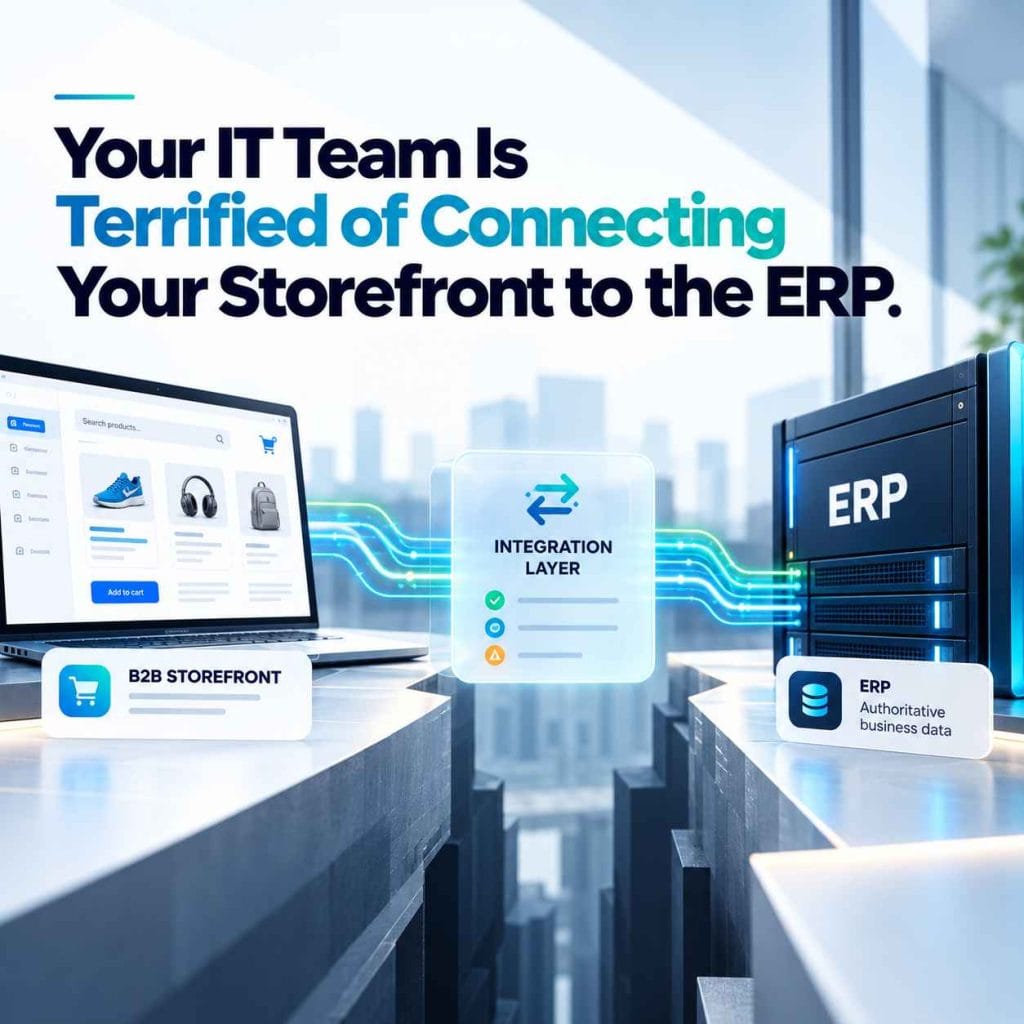
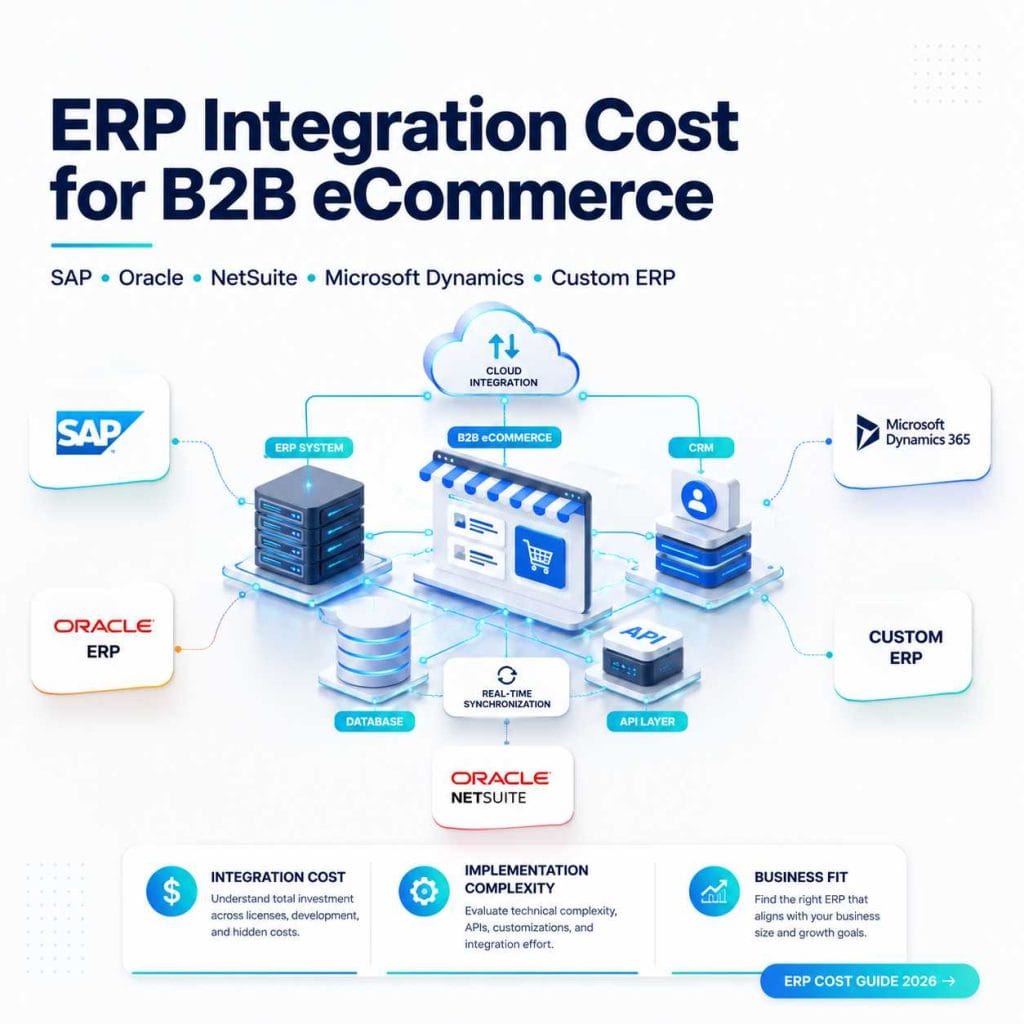
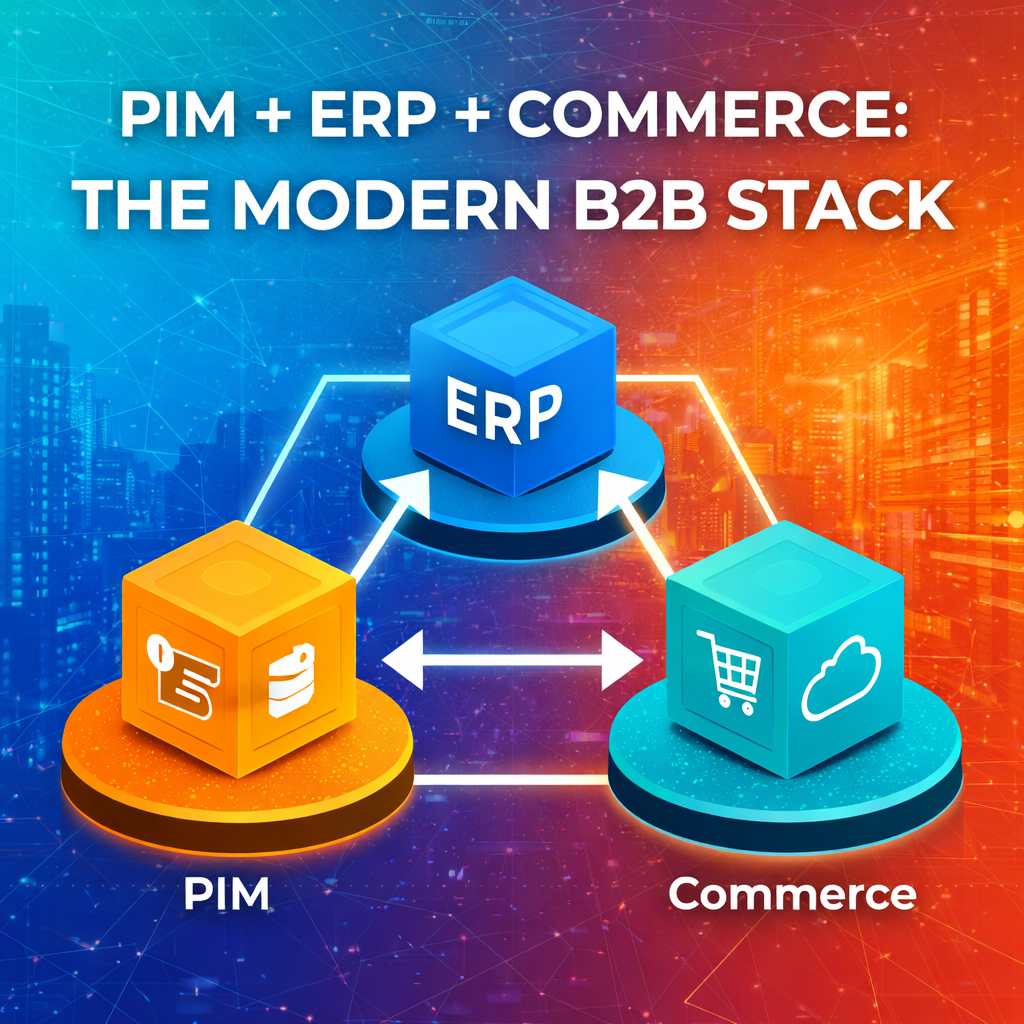
In an enterprise environment, the commerce platform typically integrates with ERP systems, CRM platforms, inventory management software, Product Information Management (PIM) systems, payment gateways, shipping providers, tax engines, authentication services, and analytics platforms.
Each integration requires careful planning to ensure reliable data exchange, secure communication, and consistent performance under high transaction volumes. Complexity increases further when organizations operate across multiple regions, business units, or brands with different technology ecosystems.
API development, integration testing, monitoring, and long-term maintenance often represent a significant portion of the overall investment required for a successful headless commerce implementation.
Cloud Infrastructure and DevOps
Unlike traditional eCommerce platforms that rely on hosted solutions, headless implementations require organizations to build a modern cloud infrastructure capable of supporting multiple services and applications.
This includes web hosting, CDNs, application hosting, database management, API gateways, caching layers, monitoring tools, backup strategies, disaster recovery planning, and automated deployment pipelines.
Beyond infrastructure, organizations also require mature DevOps practices that enable continuous integration, automated testing, reliable software deployments, and proactive system monitoring. These capabilities provide a scalable and resilient foundation capable of supporting peak traffic while maintaining business continuity.
Although much of this investment remains invisible to end users, it plays a critical role in long-term platform sustainability, operational efficiency, and overall business performance.