
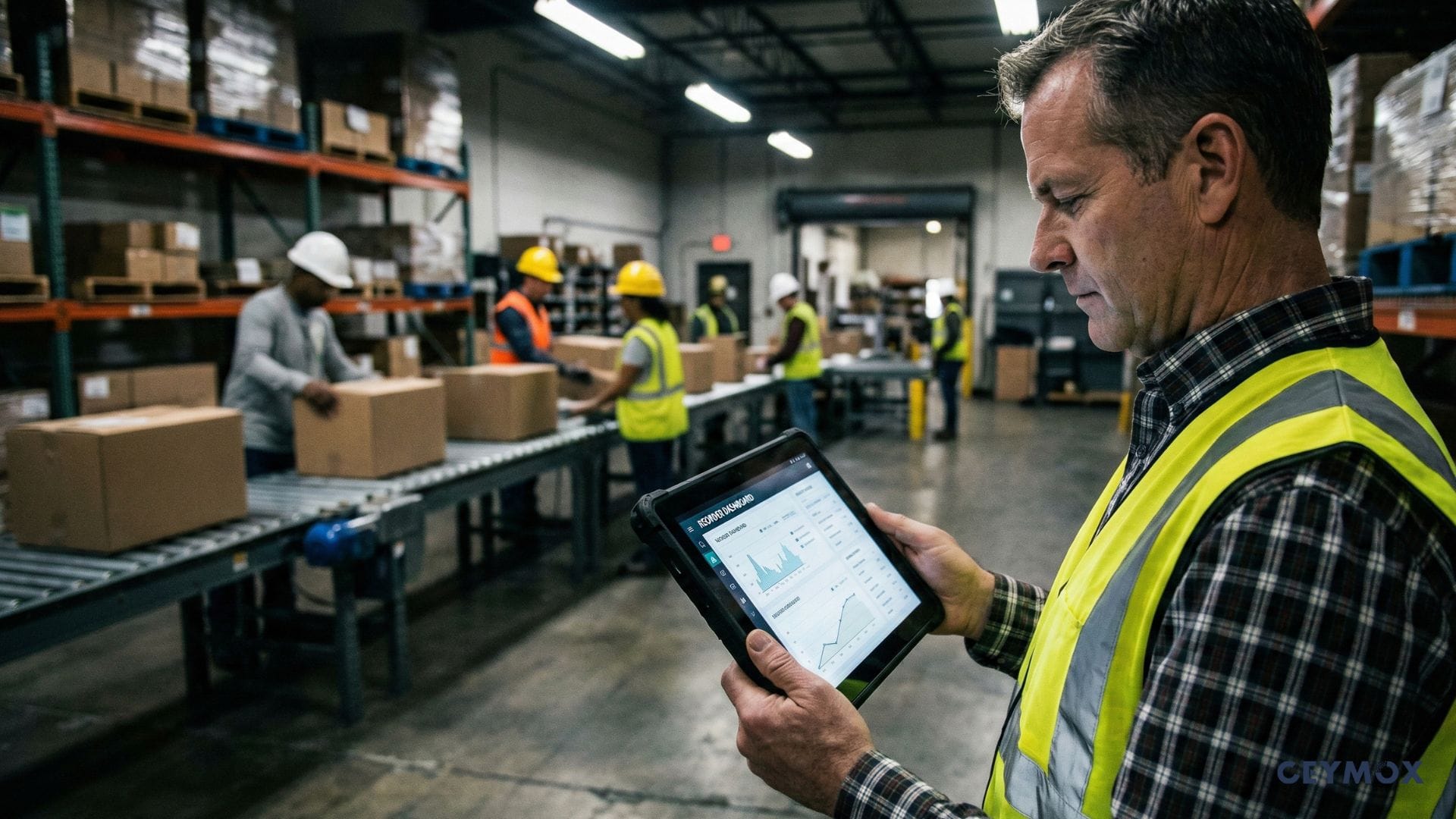
To a COO or Project manager, “Digital Transformation” may seem overwhelming. It generally involves the complete, long-term redesign of all systems infrastructure which could potentially disrupt current operations.
However, many of the most successful transformations were not achieved through “boiling the ocean.” In fact, the best way to achieve success is not to completely dismantle your existing infrastructure, but to build a bridge between your old manual processes and new digital processes. Manual order processes are quietly draining profits and operational capacity long before companies realize the impact. That bridge starts with your highest volume, lowest complexity transaction – The Reorder.
Here is why your Digital Transformation Roadmap should make prioritizing Reorders as Phase 1 and apply the 80/20 rule to maximize impact with minimal risk.
The 80/20 Reality of B2B Operations
In most B2B operations, the Pareto Principle holds true: 60% to 80% of your sales volume is generated from repeat orders.
As previously stated, these are not complex, consultative sales that require engineering support. These are simply routine replenishments – the “bread and butter” transactions that keep the lights on in your company. However, in a manual process, these routine orders are exactly what clogs the system and consume the bulk of the time of your Customer Service Representatives (CSRs).
By prioritizing the 80% of the sales volume, you will solve the biggest operational bottleneck without addressing the complexities of the entirety of your product catalog initially.
Why Complex Transactions Must Wait
Many companies make the mistake of attempting to digitize everything at once when implementing scalable ecommerce. This can lead to stalled launches due to an inability to determine how to sell complex, configurable products online.
This is a strategic misstep. Your “Phase 1” objective is to automate the conversion of high volume manual reorders into digital orders.
- Start Small: Launch a pilot program with your top 20% of customers — those creating the highest volume of reorders.
- Simplify: Provide them with a tailored experience that includes:
- Negotiated prices
- Their specific reorder list
The Flywheel Effect
Implementing a B2B Reorder Strategy has an immediate operational “flywheel”.
1. Velocity Increases: Customers place orders in seconds versus minutes.
2. Errors Decrease: Removing manual entry removes the friction slowing down fulfillment.
3. Data Improves: With each customer placing reorders digitally, you receive rich data on purchasing behavior to improve inventory forecasting.
Each part of this loop reduces labor and cycle time, lowering your cost-to-serve while you plan for Phase 2.
Conclusion: Evolution, Not Revolution
The transition from manual to digital is not a technical cliff that you need to leap over, it is a strategic choice to build a bridge. By focusing on reorders you validate the concept, provide immediate ROI, and stabilize your operations before introducing additional complexity.
Rajeesh E R, COO of Ceymox, is an operations-driven leader with a strong focus on execution excellence, scalable delivery models, and operational innovation within the digital commerce ecosystem. As a core member of Ceymox’s leadership team, Rajeesh ensures that strategy seamlessly translates into action—driving efficiency, consistency, and sustainable growth across the organization.With extensive experience in managing operations for IT and eCommerce service enterprises, Rajeesh plays a pivotal role in building streamlined workflows, optimizing cross-functional collaboration, and establishing predictable, high-performance delivery frameworks. His leadership emphasizes process maturity, quality assurance, and continuous improvement, enabling Ceymox to scale confidently while maintaining service excellence.Beyond operational metrics, Rajeesh is deeply committed to strengthening internal systems, empowering teams, and aligning execution with long-term business objectives. His hands-on, results-oriented approach continues to shape Ceymox’s ability to deliver value to global clients while expanding its footprint in the Magento and digital commerce landscape.
View All Articles