To the CTO or IT Manager, the term “digital growth” typically has little to do with an opportunity, and much to do with a risk. The term generally brings up thoughts of “scope creep,” “data corruption,” and perhaps most frighteningly, “touching the heart of the company”: the ERP system. However, avoiding modernization allows the silent killer in your order book—manual processes—to continue draining your profits.
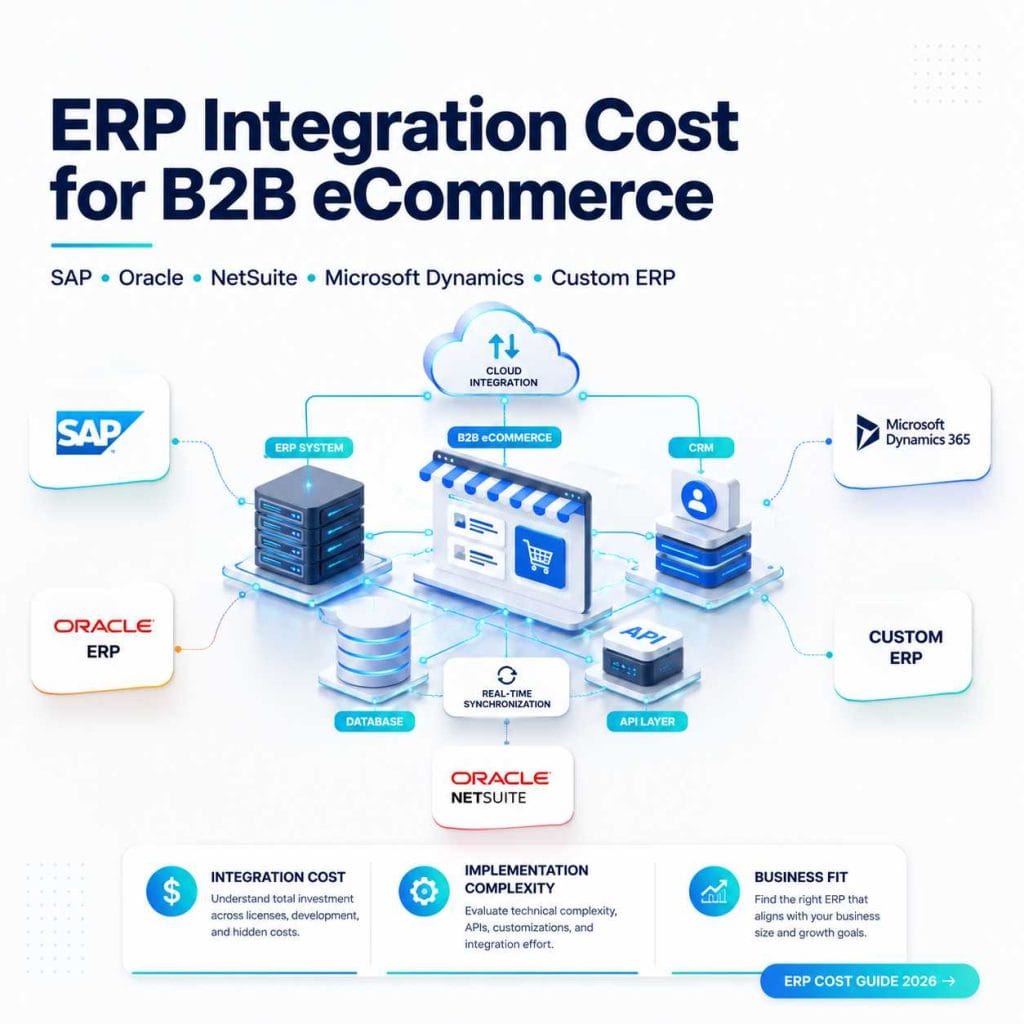
One of the most common misconceptions — one we identify in our report as the “ERP Integration Myth” — is a widely-held notion among many companies, which is limiting their ability to move forward. The “ERP Integration Myth” is a notion that connecting a modern e-commerce frontend to a legacy backend (regardless if it is Oracle, SAP, Microsoft Dynamics, etc., or even a legacy system such as AS/400/IBM i) will require a multi-million dollar investment over a number of years.
While there may be some validity to this fear, the underlying premise is archaic. Here is how the technical realities of Legacy System Modernization have changed for the better with the use of APIs.
The Myth: We Have to "Rip and Replace"
The largest misconception that is preventing IT leaders from advancing in the digital space is the assumption that you have to disassemble your current infrastructure to support digital sales. The fear is that the new e-commerce platform will not be able to communicate with the existing ERP without a massive custom coding effort that disrupts your ability to run the core business functions.
The Truth: Build a Bridge, Not A Road Block
In contrast, the modern concept of ERP Integration Solutions is to provide non-disruptive solutions. The goal is not to replace your infrastructure, but rather to build a “digital bridge” on top of it.
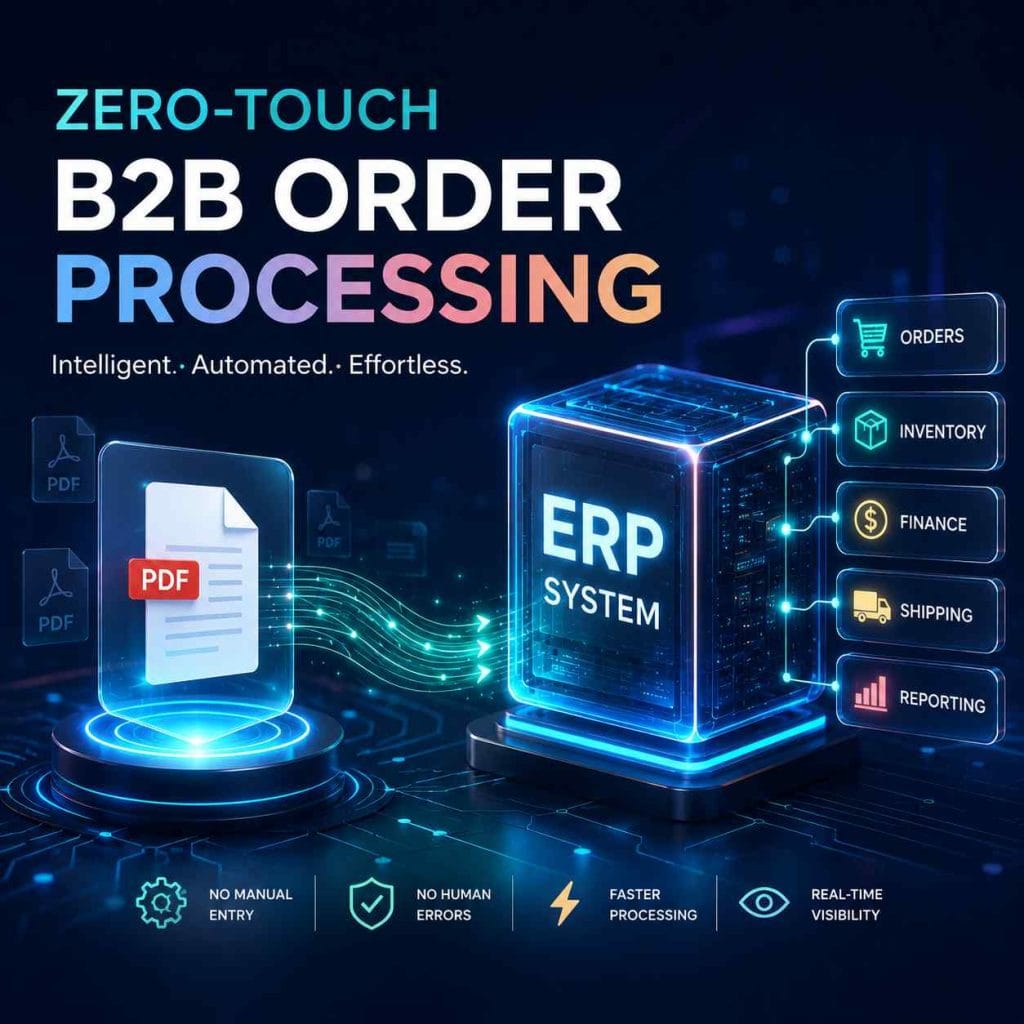
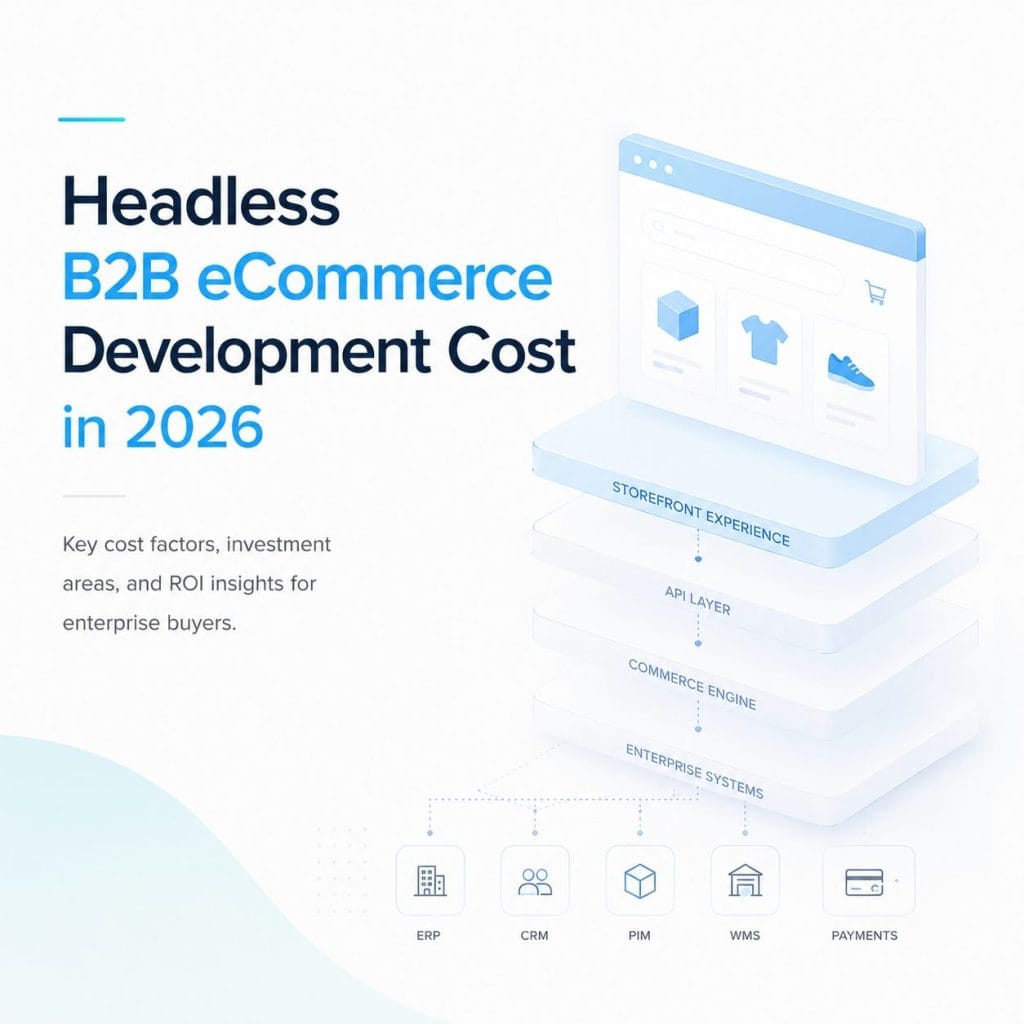
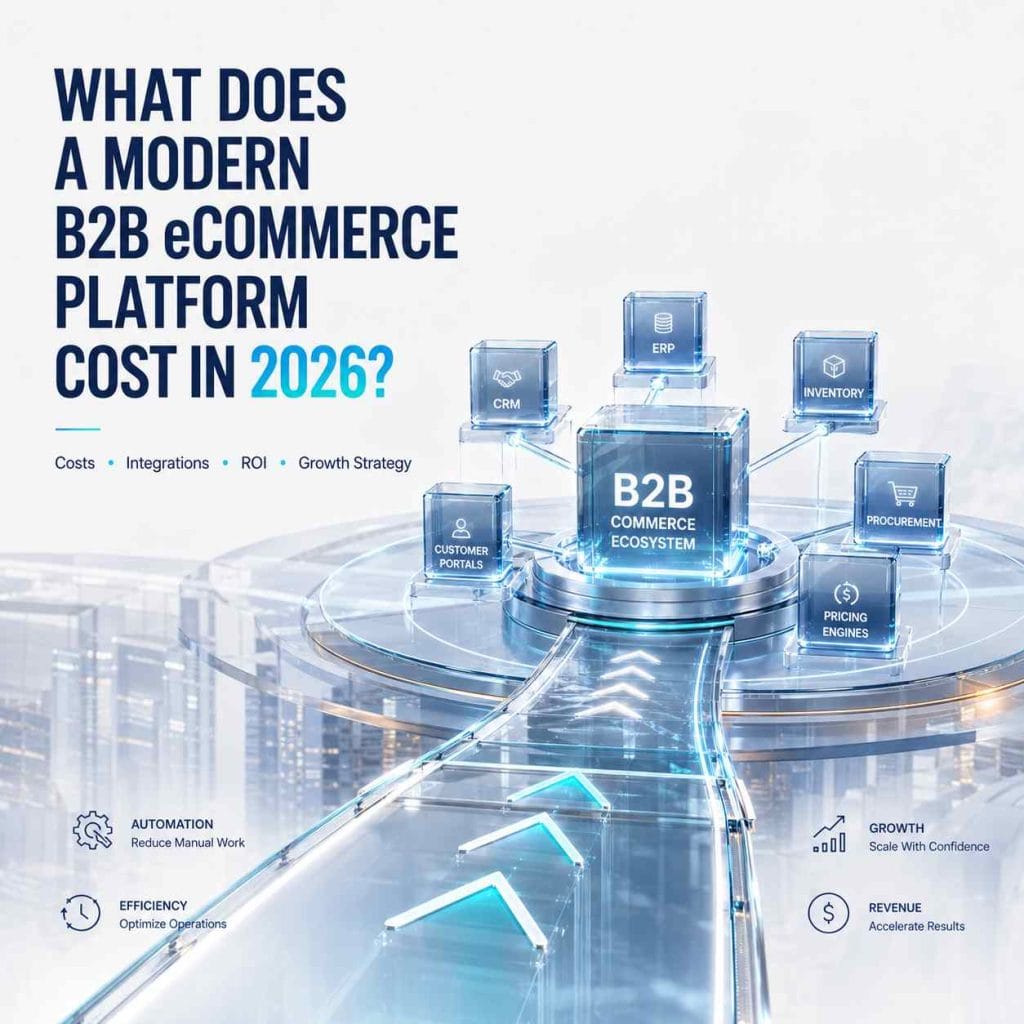
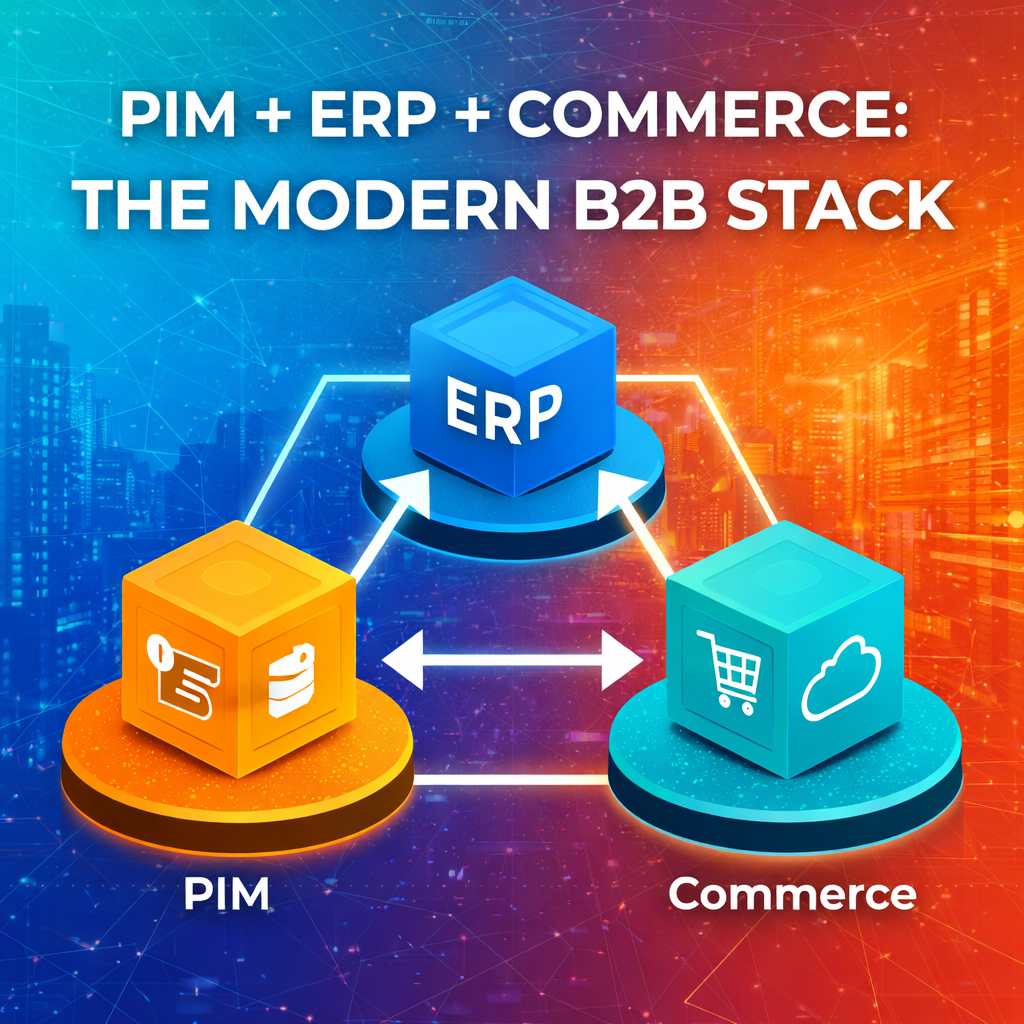
Modern B2B commerce platforms utilize Headless Commerce B2B architecture designs along with middle-ware and robust Application Programming Interfaces (APIs) allowing for the synchronization of critical data (customers, pricing, inventory, and order history) from your legacy system(s) without interfering with the core business logic that operates within your warehouse and finance departments.
The Blueprint: Integrate What Matters
A successful integration does not involve mapping each and every table within your database. Rather, successful integrations involve synchronizing those critical data sets necessary to allow customers to self-serve:
- Customer Information: credit limits, approvals, etc.
- Product Data: product catalog and contract pricing by tiers
- Inventory: real time inventory levels and backordered products
By focusing on these specific data points, you can transform your ERP from a silo into a source of truth that supports a 24 hour / 7 days a week sales engine.
Moving Forward
Digital growth is not a technically unachievable feat, it is a strategic decision. The “ERP Integration Myth” is merely a psychological road block. Using today’s middleware, you can modernize your customer experience without impacting your legacy system and/or your budget.
Don’t let the “ERP Integration Myth” hold your revenue back. It is time to turn your legacy system into a modern asset.


Santhosh P is the Chief Technology Officer (CTO) of Ceymox, bringing over 15 years of experience in e-commerce development and more than 13 years of expertise in Magento. He has completed numerous projects for clients across various industries and regions.He has extensive experience in Magento PWA (Progressive Web Apps), VueStoreFront, and Scandi PWA, delivering fast, responsive, and user-friendly experiences for online shoppers. His proficiencies include:Hyvä Magento speed optimization Magento 2 migration and upgrade Magento extension development Magento mobile development Adobe Commerce development Third-party integration with Magento Magento core functionality enhancement Magento multi-store and multi-website development Magento SEO customization Magento marketplace integration Magento ERP/CRM integration Magento mobile integration (Android, iOS)Santhosh holds multiple Adobe certifications, including Adobe Certified Expert - Adobe Commerce Developer, Adobe Certified Professional - Adobe Commerce Developer, and Magento 1 Certified Developer Plus.
View All Articles