How Much Does ERP Integration
Cost for B2B eCommerce?
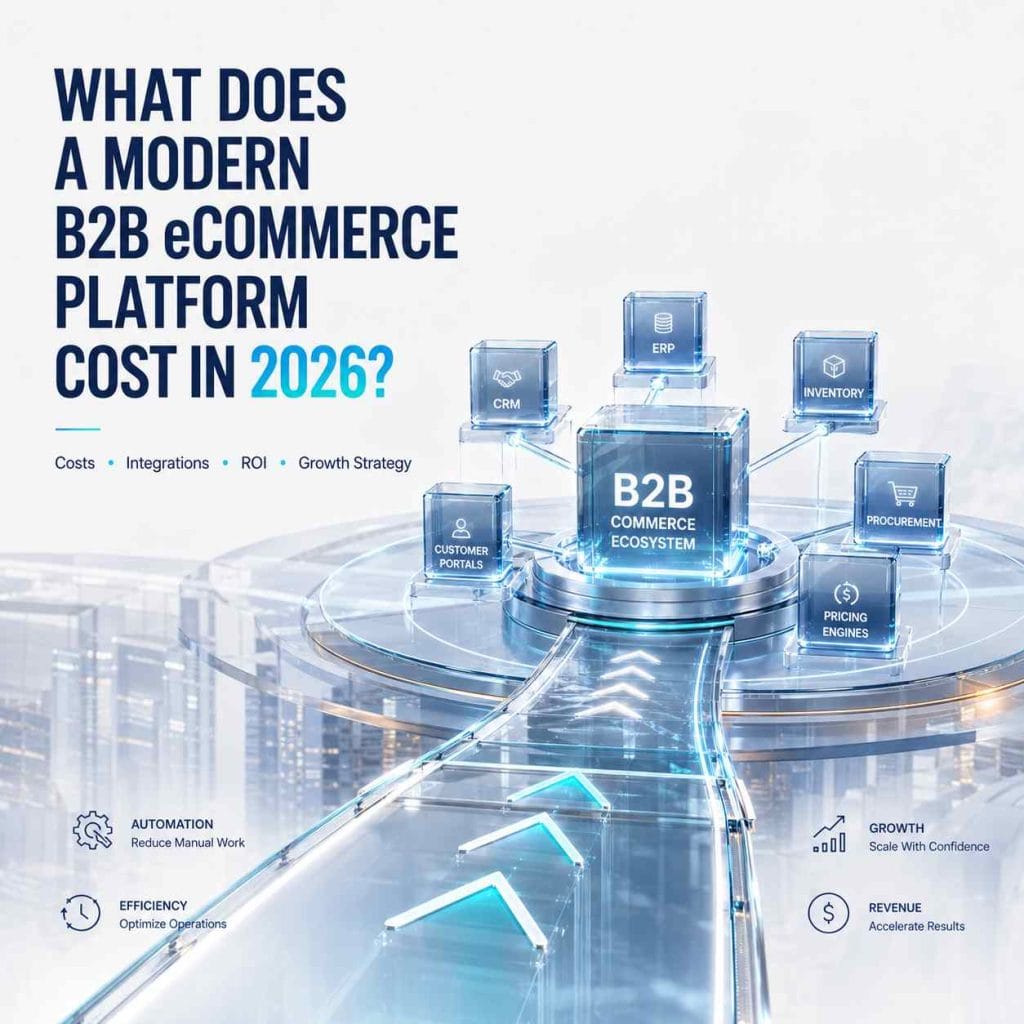
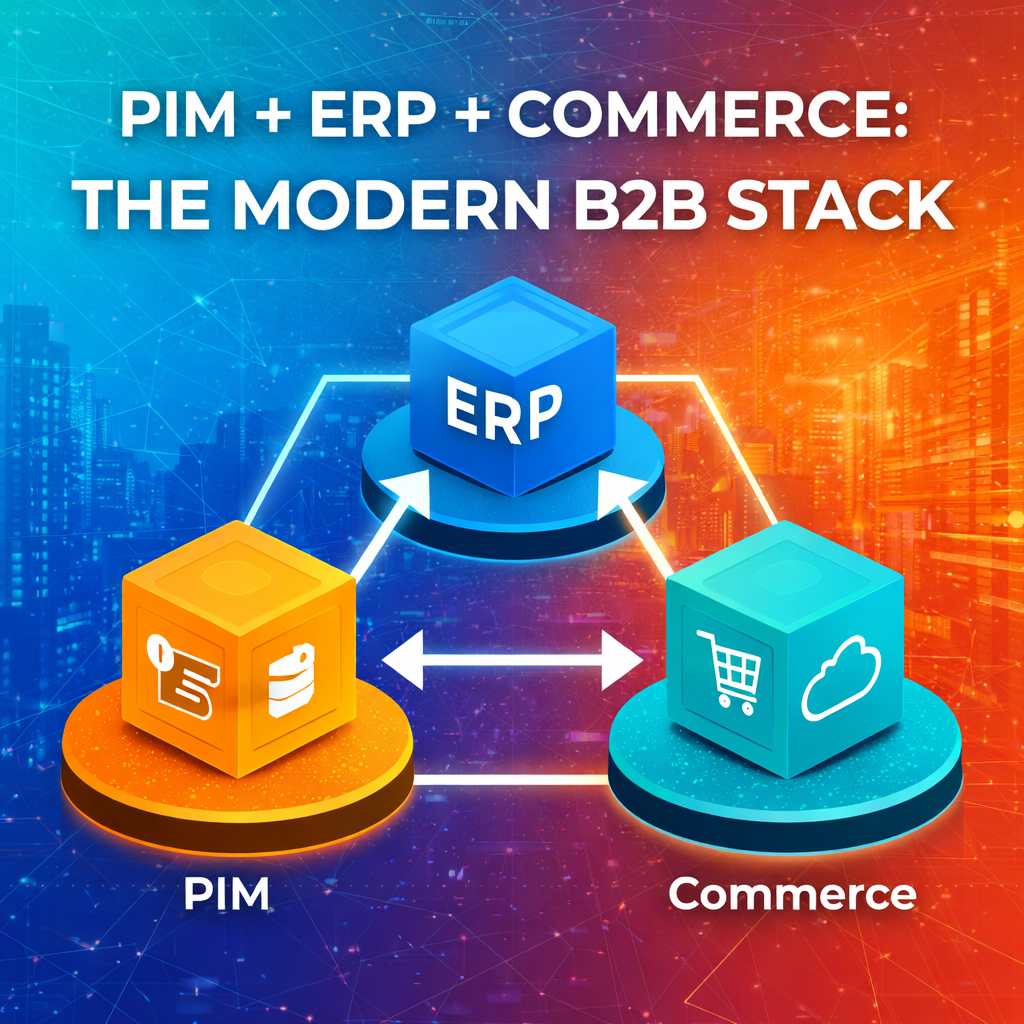
ERP integration is one of the most strategic investments in a B2B eCommerce project. Understanding the real cost drivers helps manufacturers, distributors, and enterprise organizations build scalable digital commerce ecosystems while avoiding unexpected implementation expenses.
ERP
Integration HubERP Integration Pricing Guide for SAP, Oracle, NetSuite, Microsoft Dynamics & Custom ERP Systems
When organizations begin planning a B2B eCommerce platform, one of the first questions leadership teams ask is, "How much will ERP integration cost?" While many expect a standard implementation fee, the reality is that integration costs are driven far more by business complexity than by the connector or middleware itself.
For manufacturers, distributors, wholesalers, and enterprise suppliers, ERP integration is the operational backbone of digital commerce. Accurate inventory, customer-specific pricing, order status, account information, and financial data all depend on reliable synchronization between the ERP system and the eCommerce platform.
A straightforward integration may start around $5,000, while enterprise implementations involving platforms such as SAP, Oracle, or Microsoft Dynamics can represent one of the largest investments in an entire B2B eCommerce project.
This guide explores the key factors that influence ERP integration costs, typical pricing ranges, and the differences between major ERP systems so you can plan your investment with greater confidence.
Integration Cost Is Driven by Business Complexity, Not the Connector
Why ERP Integration Matters
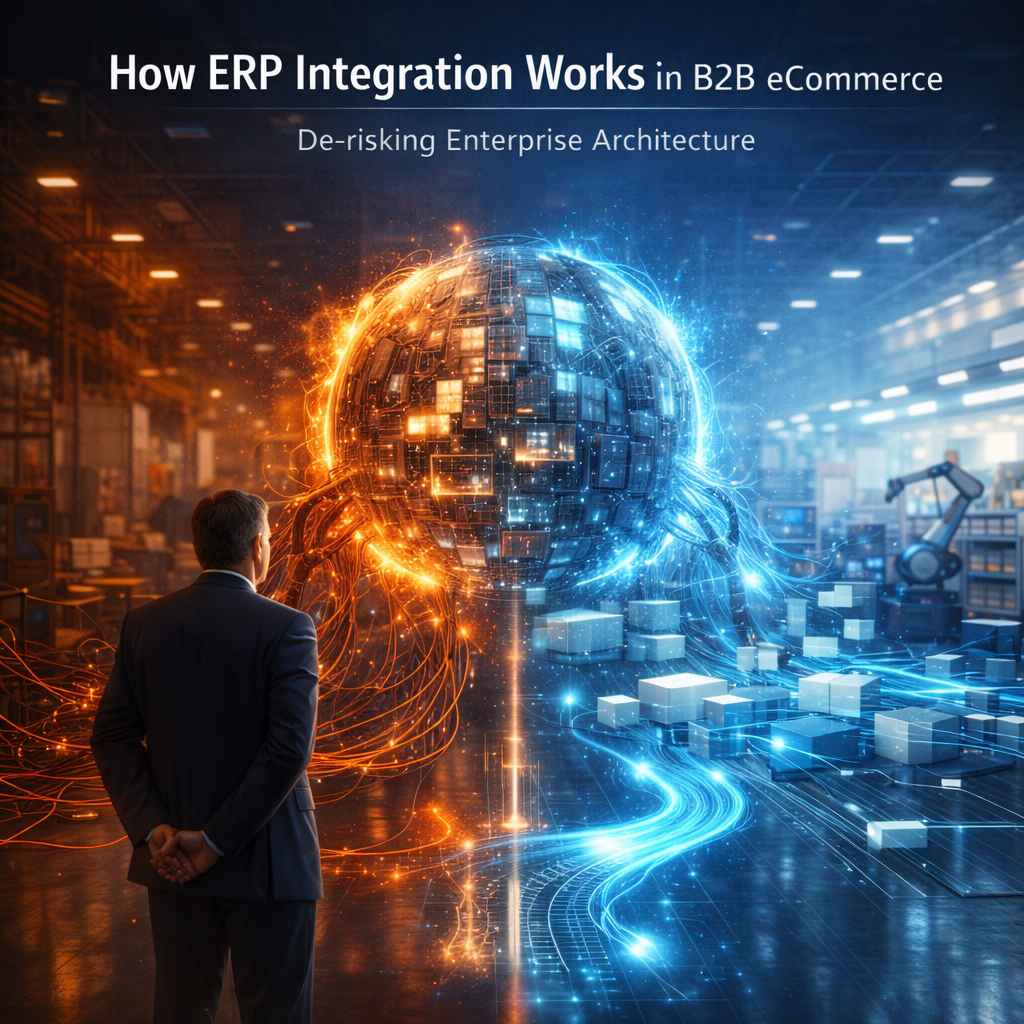
A B2B eCommerce platform is far more than an online product catalog. Every customer interaction depends on accurate, real-time communication between the eCommerce platform and the ERP system that powers your business operations.
ERP System
The operational source of truth containing products, pricing, inventory, customers, finance, and order management.
eCommerce Platform
Provides customers with accurate product information, personalized pricing, ordering, and account management in real time.
What Determines ERP Integration Cost?
No two ERP integrations are identical. The final investment depends on the complexity of your business processes, the systems involved, and the level of automation required across your commerce ecosystem.
Number of Data Flows
Every additional workflow increases implementation effort. While some businesses synchronize only products and inventory, others require multiple business processes to be connected across systems.
Synchronization Method
Real-time API communication requires a more sophisticated architecture than scheduled batch synchronization, but it delivers a significantly better customer experience and operational visibility.
API Availability
Modern ERPs often expose REST APIs, while legacy environments rely on older technologies that demand additional development and middleware.
Business Rules & Custom Logic
Enterprise organizations frequently require custom pricing, approval workflows, warehouse logic, and customer-specific catalogs that must be reflected accurately within the eCommerce platform.
Every Integration Is Unique
ERP integration costs are driven by the combination of data complexity, integration architecture, API capabilities, and business-specific workflows—not by the connector alone. A detailed discovery phase is essential for producing an accurate project estimate.
ERP Integration Cost by Platform
The following ranges represent typical ERP integration investments for enterprise B2B eCommerce projects. Actual costs vary depending on business complexity, APIs, middleware, custom workflows, and testing requirements.
SAP Integration
Many large manufacturers and enterprise organizations rely on SAP as the core of their business operations. Integrating Adobe Commerce with SAP enables synchronized business processes across inventory, pricing, order management, logistics, and finance while maintaining enterprise-grade governance.
Typical Integration Scope
Project Investment Areas
Many SAP environments include multiple business units, custom modules, approval workflows, and legacy integrations. Because of this complexity, successful SAP implementations typically require experienced integration architects to design scalable, secure, and high-performance solutions.
Oracle ERP Cloud Integration
Oracle ERP Cloud provides modern REST APIs and integration services that make enterprise connectivity more predictable than many legacy ERP platforms. This enables faster implementation, simplified maintenance, and improved long-term scalability for Adobe Commerce.
Procurement
Synchronize purchasing workflows, supplier data, and procurement approvals.
Finance
Keep invoices, payments, and accounting records synchronized.
Inventory
Maintain accurate stock levels across warehouses and channels.
Order Management
Automate order creation, fulfillment, shipment, and status updates.
Customer Accounts
Share customer information, credit limits, and account structures.
Implementation Advantage
Compared with traditional on-premise ERP systems, Oracle ERP Cloud offers standardized APIs and cloud-native services that reduce custom development while supporting enterprise-grade scalability.
Primary Cost Drivers
- Multi-region deployments
- Complex approval workflows
- Business process customization
- Enterprise security requirements
- Cross-system integrations
NetSuite Integration
NetSuite has become a preferred ERP platform for fast-growing manufacturers and distributors because of its mature APIs and cloud-native architecture. Most integration projects are faster to implement while providing the flexibility needed to support modern B2B commerce operations.
Customer Pricing
Synchronize customer-specific pricing, contract pricing, and account-level discounts.
Inventory
Maintain accurate stock availability across warehouses and online sales channels.
Order Automation
Automatically transfer orders, fulfillment updates, and shipping information.
Financial Reporting
Synchronize invoices, payments, accounting data, and financial reporting processes.
Balanced Functionality with Faster Implementation
For many mid-market B2B companies, NetSuite offers an excellent balance between enterprise functionality and implementation effort. Its standardized APIs, cloud infrastructure, and lower customization requirements often reduce development time while providing the scalability needed to support business growth.
NetSuite Integration
NetSuite has become a preferred ERP platform for fast-growing manufacturers and distributors because of its mature APIs and cloud-native architecture. Most integration projects are faster to implement while providing the flexibility needed to support modern B2B commerce operations.
Customer Pricing
Synchronize customer-specific pricing, contract pricing, and account-level discounts.
Inventory
Maintain accurate stock availability across warehouses and online sales channels.
Order Automation
Automatically transfer orders, fulfillment updates, and shipping information.
Financial Reporting
Synchronize invoices, payments, accounting data, and financial reporting processes.
Balanced Functionality with Faster Implementation
For many mid-market B2B companies, NetSuite offers an excellent balance between enterprise functionality and implementation effort. Its standardized APIs, cloud infrastructure, and lower customization requirements often reduce development time while providing the scalability needed to support business growth.
Microsoft Dynamics 365 Integration
Microsoft Dynamics 365 is widely adopted by manufacturers and distributors that operate within the Microsoft ecosystem. Its native cloud services and standardized integration capabilities often enable faster ERP implementation and easier long-term maintenance.
Microsoft Ecosystem
Organizations already using Microsoft technologies typically benefit from shorter deployment timelines because many services integrate naturally with Dynamics 365.
Product Catalogs
Synchronize products, categories, specifications, and inventory-ready catalog data.
Pricing
Keep customer-specific pricing, discounts, and promotional rules aligned across systems.
CRM Synchronization
Maintain consistent customer profiles, contacts, and account information between platforms.
Warehouse Management
Share inventory movements, warehouse operations, and fulfillment status in real time.
Sales Orders
Automatically exchange orders, fulfillment updates, invoices, and shipment information.
Why Dynamics 365 Projects Deploy Faster
Organizations with an existing Microsoft technology stack often experience faster deployments because Dynamics 365 integrates seamlessly with Azure, Microsoft 365, Power Platform, and other Microsoft services. This reduces custom development, simplifies data exchange, and accelerates enterprise implementation.
Custom ERP Integration
Many long-established manufacturers and distributors continue to operate proprietary ERP software that was developed specifically for their business years ago. While these systems remain critical to daily operations, integrating them with modern eCommerce platforms often requires specialized engineering approaches.
Legacy ERP Environment
Custom Connectors
Database Mapping
Adobe Commerce Integration
Engineering Perspective
Custom ERP integration projects typically require middleware, database mapping, or purpose-built connectors to bridge legacy business systems with modern digital commerce. Although these implementations often involve higher initial investment and longer delivery timelines than standard ERP integrations, they enable organizations to preserve existing business processes while avoiding the cost and disruption of a full ERP replacement.
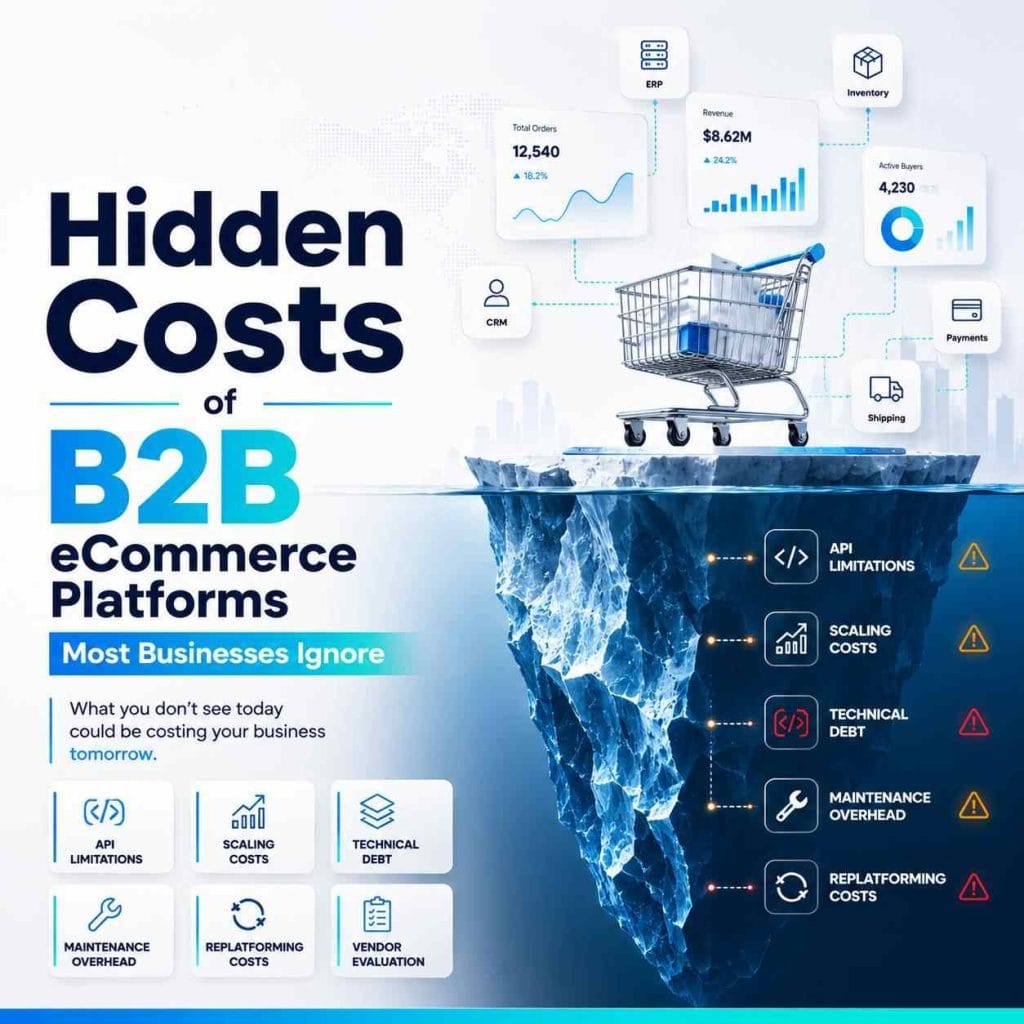
Hidden ERP Integration Costs
Many ERP integration budgets focus only on connector development, while several critical implementation activities remain overlooked. Identifying these costs early leads to more accurate budgeting and fewer surprises during project execution.
Executive Recommendation
Include these implementation and operational expenses during project planning—not after development begins. A comprehensive ERP integration budget reduces the risk of unexpected overruns, improves stakeholder confidence, and creates a more predictable path to deployment.
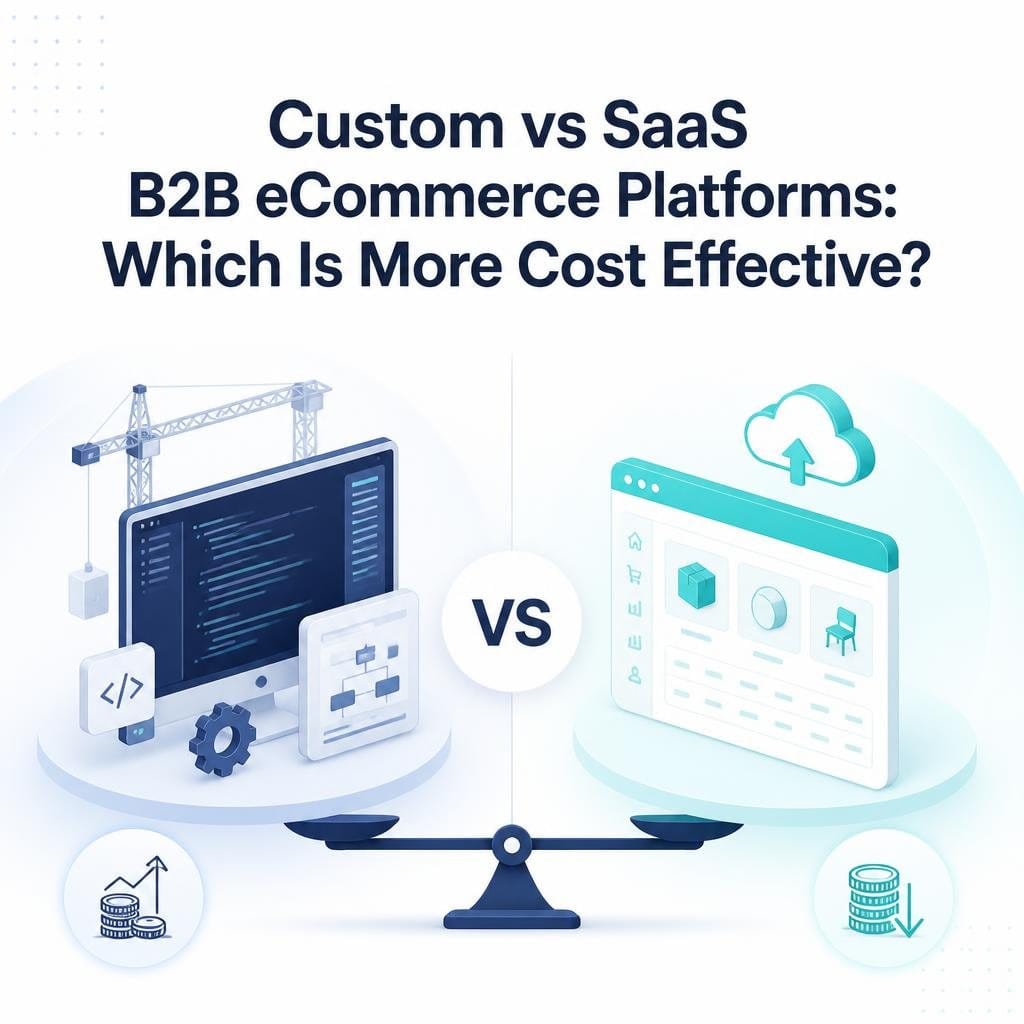
Don't Choose Based on Connector Price Alone
Comparing integration vendors solely on development cost can lead to expensive operational challenges later. The real measure of success is the long-term business value the integration delivers—not simply the lowest initial quote.
Lowest Initial Cost
Greater Business Value
Evaluate Total Business Value
The right ERP integration should be viewed as a long-term business investment rather than a one-time technical expense. While a lower-cost connector may appear attractive initially, a solution that supports automation, scalability, and reliable business processes often delivers significantly greater value over its lifetime.
Compare ERP Integration Costs in 30 Seconds
Not sure which ERP platform is the right fit for your B2B eCommerce project? Our executive infographic compares SAP, Oracle ERP Cloud, NetSuite, Microsoft Dynamics 365, and Custom ERP solutions based on implementation cost, project complexity, and ideal business scenarios—making it easy to evaluate your options at a glance.
View the ERP Integration Cost Comparison on LinkedIn →Final Thoughts
ERP integration should never be viewed in isolation from your broader business objectives. A well-designed integration enables accurate pricing, real-time inventory visibility, automated order processing, and a consistent customer experience across every B2B commerce channel.
Whether your organization relies on SAP, Oracle ERP Cloud, NetSuite, Microsoft Dynamics 365, a custom ERP, or another enterprise platform, the priority should be achieving sustainable business outcomes—not simply selecting the lowest implementation cost.
Successful ERP integrations improve data accuracy, reduce operational overhead, and establish a scalable digital foundation that can support future growth as your B2B commerce strategy continues to evolve.
The most valuable ERP integration is not necessarily the least expensive one—it's the solution that aligns technology with your business processes, supports long-term scalability, and delivers measurable operational value for years to come.



Santhosh P is the Chief Technology Officer (CTO) of Ceymox, bringing over 15 years of experience in e-commerce development and more than 13 years of expertise in Magento. He has completed numerous projects for clients across various industries and regions.He has extensive experience in Magento PWA (Progressive Web Apps), VueStoreFront, and Scandi PWA, delivering fast, responsive, and user-friendly experiences for online shoppers. His proficiencies include:Hyvä Magento speed optimization Magento 2 migration and upgrade Magento extension development Magento mobile development Adobe Commerce development Third-party integration with Magento Magento core functionality enhancement Magento multi-store and multi-website development Magento SEO customization Magento marketplace integration Magento ERP/CRM integration Magento mobile integration (Android, iOS)Santhosh holds multiple Adobe certifications, including Adobe Certified Expert - Adobe Commerce Developer, Adobe Certified Professional - Adobe Commerce Developer, and Magento 1 Certified Developer Plus.
View All Articles